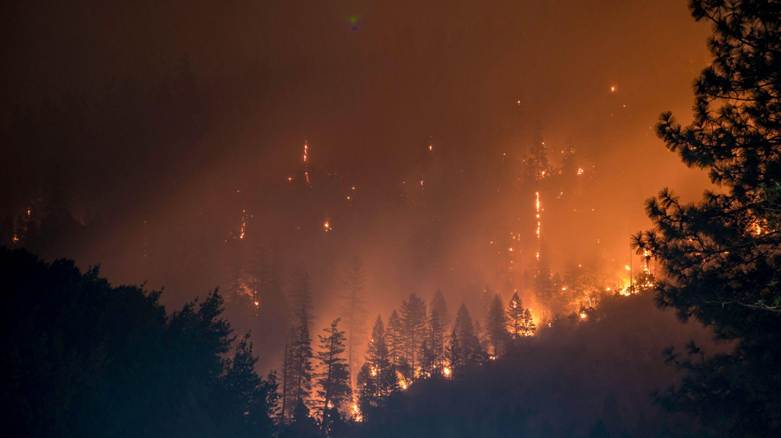
Wildfire-Scarred Slopes Are Becoming One of Construction’s Most Dangerous Jobsite Conditions
Construction crews have always had to account for weather and terrain before breaking ground. A newer variable is now showing up on jobsites across the western United States and increasingly in other regions, too. Slopes that burned in a wildfire, sometimes years earlier, behave differently from the land contractors are trained to evaluate.
While the ground might look stable, the slope beneath the surface may be holding on by a much thinner margin than it appears. Conditions can continue changing as vegetation and soil recover unevenly over time.
A Growing Footprint of Burned Terrain
The scale of this issue is not small. Since 2000, wildfires in the United States have burned an average of 7 million acres per year, more than double the 1990s average. This surge is linked in part to hotter, drier conditions that are lengthening fire seasons.
A large share of that burned land sits on hillsides and mountainous terrain across California, the mountainous West and the Pacific Northwest, much of it adjacent to roads, utility corridors, subdivisions and other places construction crews regularly work.
As development continues to push into wildland areas, the odds that a project sits on or near a burn scar keep climbing, whether the fire happened recently or years ago.
What Changes on a Burned Slope
Fire can change the physical and chemical structure of the ground itself. Intense heat can bake the top layer of soil into a water-repellent crust, so instead of soaking in, rainfall runs straight across the surface and picks up speed. Root systems that once held soil and loose rock in place begin to decay once the tree or shrub above them dies. Rock faces that were shielded by vegetation for decades are suddenly exposed to freeze-thaw cycles and direct rainfall for the first time.
One of the key reasons burned slopes are so hard to plan around is that a slope can appear stable during the dry season immediately after a fire, only to fail during a storm one year later. The U.S. Geological Survey has noted that some post-fire slope failures are tied to root decay and loss of soil strength that develop over longer periods rather than showing up right away.
For a construction firm planning a multiyear project on or below a burn scar, that means the slope’s stability at groundbreaking may not reflect its stability by the time the project wraps.
Debris Flows and Rockfall Are the Immediate Threats
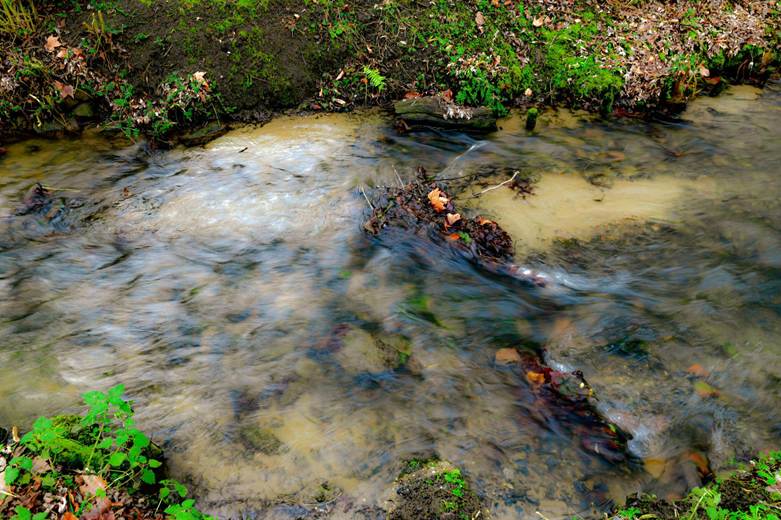
Debris flows are fast and destructive, moving mixtures of water and sediment. They are capable of destroying structures, roads and utility infrastructure well beyond the footprint of the original fire.
Fire-damaged soil sheds water far more readily than intact ground, so a burst of rain that would pose little risk on unburned terrain can be enough to set a debris flow into motion. Crews and equipment staged in or below a drainage that starts in burned terrain should watch for short, intense bursts of rainfall in addition to tracking major storm systems.
Rockfall follows a related but separate mechanism. Once the trees and root mass that once anchored loose rock and buffered impact are gone, boulders and smaller debris that were stable for years can dislodge with far less provocation. This can be triggered by nothing more than freeze-thaw cycling or minor ground vibration from nearby equipment.
For crews working below a burned slope, that risk is not theoretical. It shows up as loose material coming down onto access roads, laydown areas and active work zones with little to no warning.
What Contractors Should Assess Before Breaking Ground
A slope one season removed from a wildfire carries a different risk profile than one five years removed, so timing relative to the fire is worth establishing early. Drainage and watershed context matter just as much, since a project need not sit directly on burned ground to be affected.
Being downslope or downstream of a burn scar can be just as consequential as being on it. Soil and rock composition rounds out the picture, since hydrophobic soils and fractured rock faces behave differently under load and under water than intact, vegetated terrain.
An effective geotechnical assessment on these sites often includes slope stability modeling that accounts for root decay over the project timeline. Evaluation of drainage patterns that may have shifted since the fire should also be conducted, as well as inspection of exposed rock faces for loose material that vegetation used to obscure or restrain.
What Mitigation Looks Like in Practice
Once a burned slope has been assessed, mitigation typically falls into a few categories. Physical stabilization measures, such as rock netting, soil nailing, retaining structures and erosion control matting, address the immediate risk of material moving downhill. For high-risk areas, work typically begins with a rapid assessment of the burn scar and drainage patterns to flag areas most likely to fail before crews prioritize treatment placement.
Because hydrophobic soil can accelerate runoff, contractors may need to manage water movement with diversion channels, sediment basins and other drainage controls. Ongoing monitoring becomes the next layer of protection, giving crews a way to track whether root decay is gradually weakening the slope over the years after a fire.
Federal land managers treat this same urgency as standard practice. The Forest Service’s post-fire stabilization program, known as Burned Area Emergency Response, typically begins identifying threats before a wildfire is even fully contained and can continue for up to a year afterward. Private construction crews working on or near the same terrain operate on a similar clock, whether or not a formal program is directing the work.
Planning for Terrain That Keeps Changing
Wildfire-scarred slopes rarely behave like the terrain most project managers are trained to evaluate at groundbreaking. Conditions shift over the course of a project rather than staying fixed, and the danger often peaks well after the fire itself has faded from the news cycle. Firms working in fire-prone regions that treat burn-scar terrain as an evolving condition can avoid critical mistakes as wildfire seasons continue to expand across North America.
*Please note that this list includes sponsored content. Some of the companies, products, or services featured have entered into commercial agreements for placement. Sponsored placements do not necessarily reflect an endorsement and should be considered alongside other options in the marketplace.