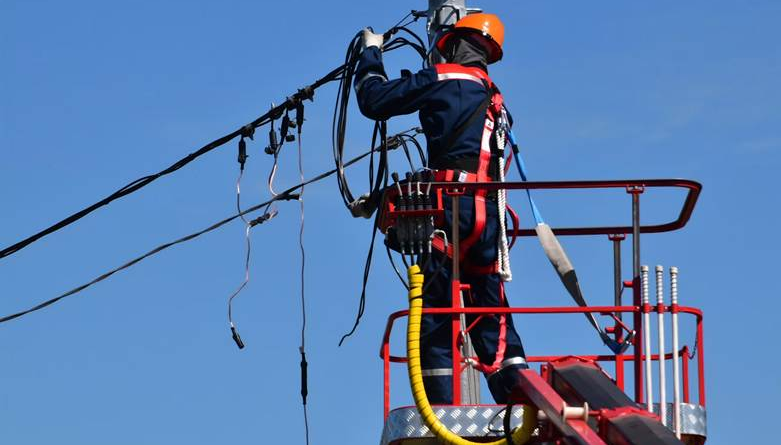
Why More Projects Are Getting Their Electrical Infrastructure Wrong Before They Break Ground
Late-stage electrical planning will inevitably expend more resources and cause financial strain. In construction, it is important to start these projects as soon as experts consider the foundation.
Electrical assets and power distribution networks are as fundamental to a build as its envelope and other utilities, and they can even influence aesthetics. However, they are frequently considered inadequate or too late, leading to misaligned budgets, safety concerns and longer timelines. These common preconstruction mistakes are avoidable with a simple framework.
Underestimating Future Load Capacity
Construction workers can begin to understand the technical context of the electrical systems by starting with a load capacity assessment. This must happen before breaking ground. While many may use near-future projects and nearby buildings to guess how much the project will require for operations, this is shortsighted.
The reason construction projects fail from an electrical perspective is that they consider scalability only after the structure is already complete. Retrofitting as demand increases leaves the building vulnerable to voltage spikes and blackouts. To more accurately estimate capacity, engineers can also review the current state of electrical infrastructure and trends, such as the rise of electric vehicles and smart technologies that influence power requirements.
Demands are rising, and the number of devices needing electrical hookups and connectivity will only grow. Projects must plan for demand to dramatically increase using consistent forecasting methods, or they will quickly become outdated and overwhelmed.
Using the Cheapest Distribution Approach
A budget may opt for the least expensive distribution option to achieve initial cost savings. For example, while it may be cheaper to use overhead infrastructure, underground may be safer and reduce excess power outages for the property.
Retrofitting a project with underground wiring is expensive and disruptive, so it should be considered much earlier in the life cycle. Even if a project manager insists on the more fiscally conservative route, electrical engineers should provide a cost-benefit analysis of delaying protective measures for power distribution. Exposed infrastructure is vulnerable to weather and erosion, making repairs prohibitively expensive down the line.
Treating Electrical Equipment as a Commodity
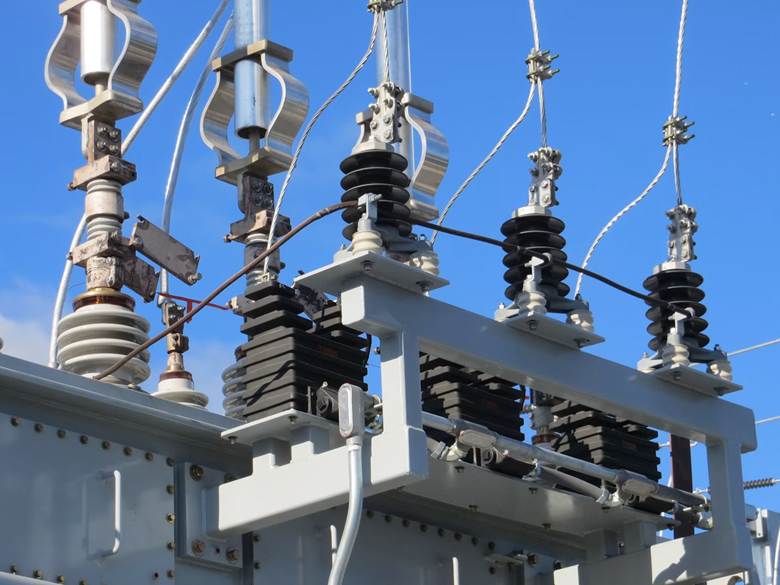
Every transformer and switchgear item influences a project, and each product has unique specifications and characteristics that can drastically alter a building’s future. Generic components may cost construction professionals, especially if they are not attuned to the specific environment and operational expectations of the structure.
For example, if the transformer installation ignores the implications of salty coastal air, it will corrode faster and lead to maintenance and safety issues. If wiring must withstand intense cold, it must have mechanisms that ensure it operates efficiently in subzero conditions. These elements are seemingly straightforward purchases, but they carry more weight than standard commodities. They need as much careful consideration as the building’s materials and foundational integrity.
Divorcing Design From the Physical Construction
Construction projects may unintentionally group electrical requirements and technology infrastructure in spaces with minimal clearance or design thought. These essential spaces need as much practical and aesthetic consideration as the primary rooms, while still complying with electrical codes and standards. If the design is an afterthought, the spaces could become impractical to navigate or difficult to maintain, with little flexibility or clearance to oversee electrical infrastructure.
Solving the Consequences of Delayed Electrical Planning
All stakeholders must consider the cost of electrical services, which multiply the moment ground is broken. Concrete can encapsulate conduit paths. Expanding capacity could involve destructive trenching. Therefore, using a strategy to consider as many variables as possible before this point is the most responsible route for efficiency, cost-effectiveness and compliance.
Involving Electrical Engineers From Day One
Electrical experts are necessary in the earliest stages. Their expertise is vital for creating a practical budget, a thorough blueprint and an appealing interior design. They must be core members of the conceptual and feasibility team, whereas most projects rely on them merely as downstream consultants. They could be the reason the building is optimally oriented, or a budgetary line item is more accurate.
Conducting a Future-State Load Analysis
Projecting the building’s energy demand over the next 15 years is essential. If a warehouse could electrify its fleet or construct more square footage in additional units, the planners need to know. Teams can envision several scenarios based on the building’s intended use and goals.
Modeling Key Decisions
Assets like digital twins and artificial intelligence are perfect for visualizing a construction project’s electrical future without expending finite materials. Virtual representations can paint how reliable a current idea for an electrical setup is and what estimated maintenance expenses could be.
Projections can even go so far as to see vulnerability to environmental factors or estimate insurance costs based on the project’s other features. Modeling these scenarios makes every decision value-based rather than cost-based, because every choice has tangible outcomes.
Planning the Project’s Electrical Heart
All utilities contribute to a successful project, but few are more important to consider at the beginning of the design than electrical systems. It is the building’s functional nervous system, influencing how its life cycle unfolds.
Planning for power distribution and its setup and design too late will lead to invasive repairs, cost overruns and compromised safety. Incorporating electrical expertise at the first phase will create a successful foundation that could lead to greater efficiency and resilience.
*Please note that this list includes sponsored content. Some of the companies, products, or services featured have entered into commercial agreements for placement. Sponsored placements do not necessarily reflect an endorsement and should be considered alongside other options in the marketplace.