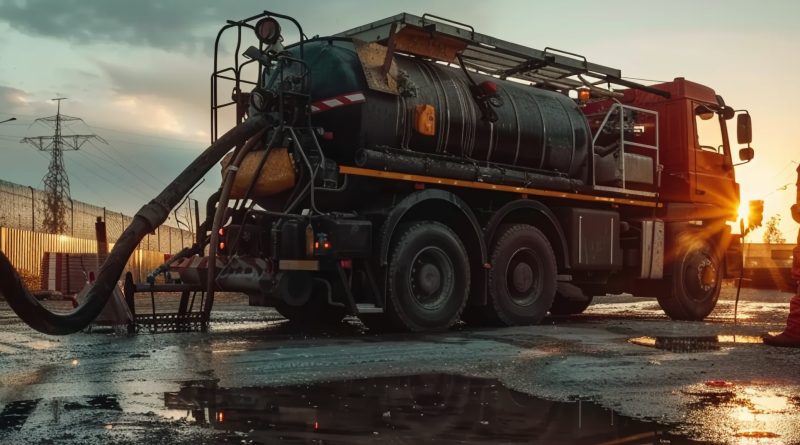
What Should You Look for in a Modern Vacuum Truck? 5 Critical Features
Your next vacuum truck needs to fit the waste you handle, the sites you work on and the schedule you keep.
Choosing a modern vacuum truck means weighing specifications against those everyday demands before committing to a purchase.
Critical Features to Look for in a Modern Vacuum Truck
Construction professionals need a clear way to evaluate equipment purchases. Compare the following features against your actual workload, with operating costs and daily productivity in mind.
1. Tank Capacity and Material Compatibility
Start with the material you collect and the volume you expect to move each day. Ask suppliers to recommend a tank size for that workload, then weigh the proposed capacity against disposal-site distance and anticipated unloading stops.
Request written confirmation that the tank, seals and hoses are suitable for your solids, liquids or sludge. Include corrosion resistance and component wear in that discussion. Before selecting a larger tank, have the supplier explain its usable capacity and loaded weight for your application.
2. Pump Performance and Vacuum Strength
Compare airflow and vacuum ratings together. Ask the supplier to explain the airflow specification in cubic feet per minute and the vacuum rating, including how each relates to your intended work. Ask what those specifications mean for the material you handle.
Request performance information for your expected hose configuration and working distance, including suction at the hose end. A demonstration using a representative material can help you assess the proposed setup. You can also have the supplier explain the pump’s operating requirements and routine maintenance before comparing models on headline ratings alone.
3. Chassis and Maneuverability
Build your chassis requirements around the places your truck must reach. Measure entrances and note narrow access roads, tight turns and available unloading space before discussing turning radius or wheelbase with a supplier.
Bring those details to the equipment review, along with your expected loaded weight. Ask how the chassis and suspension suit both loaded travel and the conditions at your jobsites. For municipal or industrial work, request a demonstration that reflects your tightest access point. Include room for hose deployment and servicing when assessing the truck’s working footprint.
4. Hose and Tooling Versatility
List the tasks you expect one truck to cover, then compare the included hoses and available attachments. Suppliers should explain which hose diameters and lengths suit your material, working distance and required reach.
Review boom options and nozzle configurations against specific jobs rather than selecting accessories by quantity. You can also request a demonstration of attachment changes and ask which tools require additional equipment.
Confirm storage arrangements for the complete setup. Your comparison should account for the accessories supplied with the truck and the items priced separately, so each quote covers an equivalent working package.
5. Serviceability and Parts Support
Make maintenance access part of the equipment inspection. Request to see routine service points and discuss whether modular components or tool-free access are available on the proposed model.
Evaluate the provider behind the truck. Request details about replacement parts, service locations and support hours, including arrangements for your operating area. Ask which components the supplier stocks and how service requests are handled. A clear support plan deserves a place on your purchasing checklist before you commit to a configuration.
Which Companies Sell Vacuum Trucks for Waste Management Operations?
Fortune Business Insights valued the growing vacuum truck market at $2.11 billion in 2025, underscoring the industry’s numerous providers. These providers offer starting points for comparing vacuum trucks for waste management operations.
1. Custom Truck One Source
For buyers seeking equipment and life cycle support, Custom Truck One Source brings sales, rentals and aftermarket services together.
Its company-wide inventory includes over 1,800 trucks for sale, giving buyers a broad starting point for their equipment search. Vacuum truck configurations and availability should be confirmed directly.
Key features:
- Location coverage: The company has over 40 locations nationwide.
- Rental flexibility: A company-wide rental fleet exceeds 10,000 units.
- Parts and tooling: Aftermarket parts and tooling supply complement its equipment services.
2. Guzzler Equipment
Industrial cleaning specialist Guzzler Equipment offers vacuum loaders for collecting waste and recovering materials. Its range includes the Classic, Hi-Rail and Liquid Ring models, with even basic vacuum trucks equipped with enhanced operator ergonomics and cleaner dumping.
Key features:
- Manufacturing footprint: Production shares a 400,000-square-foot facility with sister brand Vactor Manufacturing.
- Skilled workforce: Over 500 skilled craftspeople work at the shared facility.
- Material recovery: Equipment supports recovery and recycling applications.
3. Wastecorp
Pump manufacturer Wastecorp works with construction, mining, industrial and other markets. While its main highlight is the Super Duty Vacuum Trucks in its fluid-handling range, its broader portfolio also includes vacuum trailers and skid-mounted systems.
Key features:
- Engineering focus: Offerings center on fluid-handling equipment.
- Infrastructure applications: Serves construction and industrial markets.
- Parts availability: Wider pump portfolio includes replacement parts and accessories.
4. Ledwell
Custom equipment manufacturer Ledwell custom-manufactures truck bodies and trailers with dumping and nondumping vacuum truck configurations. It offers Classic, Heritage and Liquid Ring vacuum truck models.
Key features:
- Quality control: Manufacturing approach emphasizes production quality checks.
- Experienced craftspeople: Craftspeople average 20 years of industry experience.
- Replacement parts: Vacuum truck parts are available through its parts offering.
Frequently Asked Questions
Here are answers to common questions asked about modern vacuum trucks for construction professionals.
Q: What features matter most in a modern vacuum truck?
A: Compare tank capacity and compatibility, pump performance, chassis access, tooling and service support. Use your workload as a reference for what feature to prioritize.
Q: Which companies are the best place to start looking?
A: You can start with Custom Truck One Source, Guzzler Equipment, Wastecorp or Ledwell for equipment selection, rental options and parts support. Compare their offerings against your requirements.
Q: Do vacuum truck providers offer rental options?
A: Options vary by provider. For instance, Custom Truck One Source offers rentals, but you should inquire about vacuum truck availability within its broader rental fleet.
Q: Why does parts and service support matter when buying?
A: Parts and service support is important because the provider behind the truck is part of the purchase decision. Compare replacement parts, service locations and support hours before committing to a configuration.
Selecting the Best Vacuum Trucks for Waste Management Operations
Build your shortlist around the waste you collect, your access constraints and the support your business needs.
Those requirements can steer provider conversations and lead to requests for comparable equipment packages, including the hoses and tooling your jobs require. You can then weigh each proposal to get the best modern vacuum truck.
*Please note that this list includes sponsored content. Some of the companies, products, or services featured have entered into commercial agreements for placement. Sponsored placements do not necessarily reflect an endorsement and should be considered alongside other options in the marketplace.