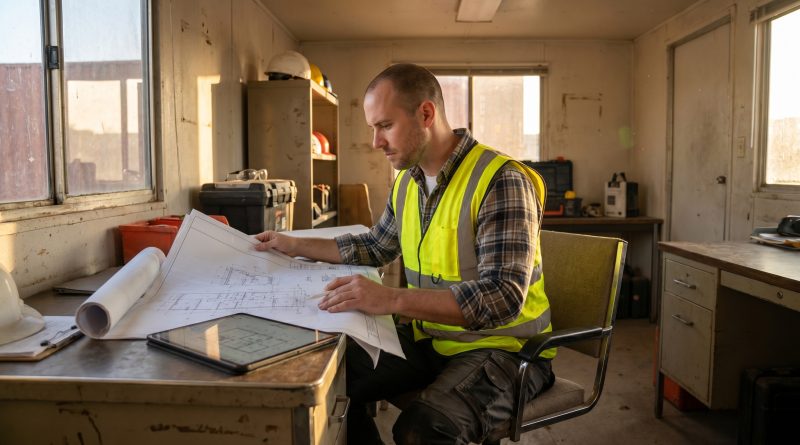
What Should You Look for in a Construction Office Trailer? These Are the 5 Best Features
A construction office trailer serves as the command center for your jobsite, housing your project managers, supervisors and crew in a functional workspace. The best features to look for in a construction office trailer go beyond four walls and a door.
Quality structural components, reliable climate control, adequate workspace and modern connectivity separate a productive mobile office from a barely functional temporary structure.
1. Finding the Right Size and Layout for Your Crew
A footprint that gives supervisors, project managers and other staff enough room to work prevents a cramped environment that slows everyone down. Think about how many people will use the space daily and what tasks they’ll perform. A trailer that feels spacious for two people may become uncomfortably tight when four or five crew members need to work simultaneously.
Layouts that separate private offices, shared work areas, meeting spaces and storage help your crew move around easily without disrupting each other’s tasks. Clear pathways and designated zones for different activities reduce bottlenecks during busy periods.
If your project may expand, choosing a slightly larger trailer or a modular layout can prevent the need for an expensive replacement later. Features to look for in a construction office trailer include flexible configurations that adapt as your team grows or project requirements shift.
2. Essential Comfort and Climate Control Features
A dependable HVAC system keeps workers comfortable through changing weather and helps maintain a productive workspace year-round. When your crew can focus on their work instead of dealing with extreme temperatures, project timelines are more likely to stay on track.
Proper insulation helps regulate indoor temperatures while reducing the workload on heating and cooling equipment. This combination creates a consistent environment that supports long work sessions without weather-related distractions.
Bright LED lighting, operable windows and good ventilation create a more comfortable environment, particularly when crews spend long hours inside. Natural light options can reduce fatigue and improve overall morale.
The best features to look for in a construction office trailer include electrical infrastructure that supports your team’s daily needs. According to Eagle Leasing, “These trailers can provide electricity for computers and other office equipment as well as office chairs, desks and lighting for working. Heating and A/C can keep everyone comfortable, no matter what the weather turns out to be.”
3. Foundational Elements for Long-Term Durability
Construction professionals shouldn’t settle for a basic box. The structural integrity of your office trailer needs to withstand high foot traffic, heavy boots and demanding site conditions without feeling bouncy or wearing out quickly. A trailer built with heavier-duty framing maintains stability even when multiple crew members are moving around inside.
Insulation quality directly affects how comfortable your workspace remains throughout the year. Higher R-value insulation prevents the unit from becoming a tin can that fluctuates wildly in temperature. This feature reduces strain on your HVAC system and keeps energy costs manageable.
High-quality windows with proper seals limit drafts and reduce jobsite noise. When your team needs to focus on plans, schedules or client calls, well-sealed windows can reduce outside noise and ensure the space is comfortable. This can support concentration and productivity.
4. Modern IT and Connectivity Setup
A strong Wi-Fi setup or provisions for wired connectivity allow teams to access project management platforms, cloud files, email and other essential tools. Construction projects rely on real-time communication and document sharing, so reliable internet access keeps everyone aligned on priorities and changes.
Strategically placed outlets and charging stations make it easier to keep laptops, phones, tablets, printers and other equipment powered throughout the workday. Dead batteries and insufficient power access create unnecessary delays when crews need to review drawings or update schedules.
Look for trailers that can accommodate routers, networking equipment, security systems and other technology without creating a mess of cables. Clean cable management and designated tech zones maintain a professional appearance and reduce tripping hazards.
5. Setting up for Immediate Site Efficiency
Desks, chairs, filing cabinets, conference tables and storage should be arranged around how your team actually works rather than simply filling available space. Think about workflow patterns and which team members need to collaborate most frequently. Positioning workstations to support natural communication saves time during busy project phases.
Before the trailer arrives, confirm which systems are built in or included with the unit, such as lighting, HVAC and electrical access. After placement, verify that site connections, connectivity and any needed plumbing hookups are completed so your team can start using the space quickly. Delays caused by incomplete setup or malfunctioning systems cost valuable project time.
Consider where the trailer will sit in relation to entrances, parking, equipment and active work zones. A well-positioned office can make communication and daily coordination much easier. Placing the trailer too far from the main work area forces unnecessary trips that add up over the course of a project.
Frequently Asked Questions About Construction Office Trailers
Construction professionals often have similar questions when selecting a jobsite office. These answers address the most common concerns about trailer features and functionality.
Q: What are the best features to look for in a construction office trailer?
A: Prioritize structural durability, climate control systems, adequate workspace and reliable connectivity. A trailer with solid framing, quality insulation, dependable HVAC and modern electrical infrastructure supports productive work throughout your project timeline. Consider your team size and workflow needs when evaluating layout options.
Q: What IT setup do jobsite trailers need?
A: Your trailer should support strong Wi-Fi or wired internet connectivity for project management software, cloud access and communication tools. Include sufficient outlets and charging stations positioned near workstations. Plan for routers, networking equipment and proper cable management to keep technology organized and functional.
Q: Why does trailer insulation matter?
A: Quality insulation regulates indoor temperatures, reduces HVAC workload and creates a comfortable workspace regardless of outdoor conditions. Poor insulation turns your office into an uncomfortable environment that distracts workers and drives up energy costs. Proper insulation maintains consistent temperatures that support focus and productivity.
Equipping Your Next Jobsite for Success
Selecting a construction office trailer involves more than picking the first available unit. The best features to look for in a construction office trailer include a durable build, effective climate control, thoughtful layouts and modern connectivity that align with how your crew actually works.
These elements transform a basic temporary structure into a functional command center that supports efficient project management and team coordination throughout your construction timeline.
*Please note that this list includes sponsored content. Some of the companies, products, or services featured have entered into commercial agreements for placement. Sponsored placements do not necessarily reflect an endorsement and should be considered alongside other options in the marketplace.