What Is Bull Rigging? A Guide to Load Movement When Cranes Can’t Reach
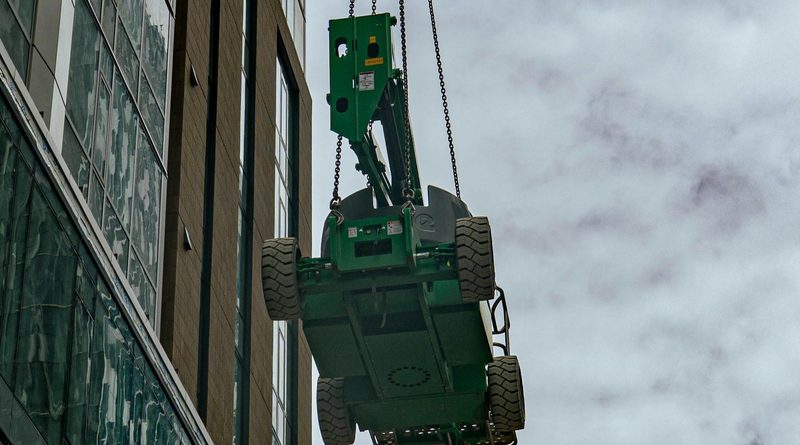
Bull rigging is a specialized load-handling technique for moving, lifting, positioning or suspending heavy objects without cranes or conventional transport devices. This method is increasingly important as jobsites become more confined. Learn how to move hefty loads properly, safely and efficiently when cranes are infeasible from this guide by CICB, a company that has been providing training and support services for the lifting industry since 1969.
Main Bull Rigging Applications in Construction
Bull rigging offers better control over loads and may cost less to set up than cranes in tight quarters. Confined spaces are among the most common scenarios for this technique. Moving loads through narrow openings and guiding them around tight corners becomes necessary when operating a crane safely in a confined environment proves challenging. Areas with low headroom or overhead obstacles that prevent crane use often call for bull rigging solutions.
The technique supports temporary load holding, keeping loads suspended and stable while construction workers wait for final welding or installation. It also enables skidding or skating, where you place heavy or oversized objects onto slide or roller systems to move them horizontally across the floor.
Bull rigging handles last-mile placement after cranes reach their limits and enables precise positioning of multiton industrial machinery that requires millimeter-level accuracy. Training in how to use this and other rigging methods is vital, as it can help reduce statistics such as the 80% of recorded rigging accidents caused by human error. According to CICB, correctly trained riggers can “Dramatically lower the risk of damaging your lifting equipment, protect your loads, decrease insurance premiums, reduce turnaround times and limit lost workdays.”
Essential Equipment for Bull Rigging
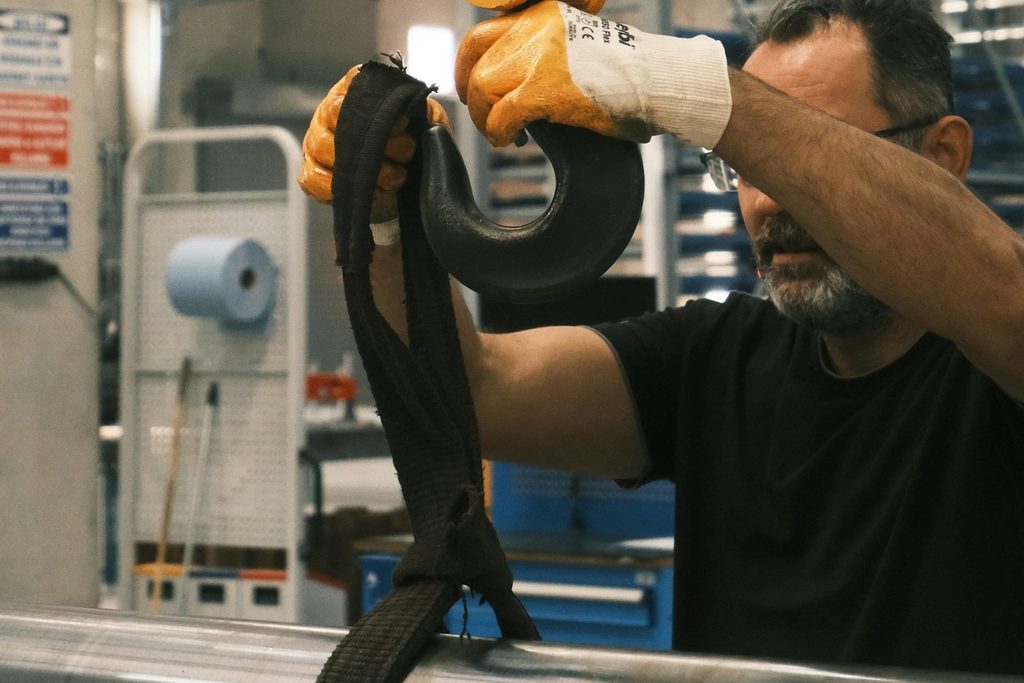
Bull rigging configurations can range from simple to complex depending on the load, distance and workspace constraints. A straightforward setup might involve just a chain hoist and tagline, while complex moves require multiple pieces of equipment working together.
Common equipment used in bull rigging operations includes:
- Chain hoists: Manual operation of these devices gives riggers precise control over lifting speed and height when lifting heavy loads vertically.
- Lever hoists: Versatile tools that raise, lower or pull heavy loads at any angle, offering flexibility for complex positioning tasks.
- Hydraulic or mechanical jacks: Workers use these to lift loads from below, creating space to place rollers, skates or tracks underneath for manual or winch-assisted movement.
- Machinery skates or machine-moving dollies: These platforms relocate heavy machinery across finished floors without damaging the surface.
- Rigging blocks: Essential for creating haul systems, these components change rope direction around obstacles and provide a mechanical advantage when available pulling power is limited.
- Winches: Pulling power for lateral movement comes from winches, which also guide and position suspended or rolling loads to prevent drifting out of alignment.
The most basic setup involves drifting, where one chain suspends a load vertically while another chain is attached to an anchor point in the direction of travel and connected to the load.
Common Hazards to Watch For
Bull rigging is inherently hazardous because it may involve bulky loads and heavy equipment in tight, confined spaces, which already carry unique risks, such as oxygen depletion and toxic fumes. The manual nature of the work means human error can have serious consequences.
Equipment failure tops the list of concerns. Gear fails when it lifts beyond its working load limit or has undiscovered signs of wear. Miscalculating sling angle reductions significantly lowers equipment lifting capacity and creates dangerous tension forces. Hand-rigged loads shift and tip over when workers fail to balance around their center of gravity or use proper taglines.
High-pressure pinch points between moving steel, rigging and restrictive walls pose a risk of injury to workers’ hands, fingers and other body parts. Poor team coordination leads to out-of-sync movements, causing loads to fall and potentially strike personnel below. Uneven floors, inadequate lighting and temperature extremes compound these risks by reducing equipment performance and worker alertness.
Safety Considerations for Bull Riggers
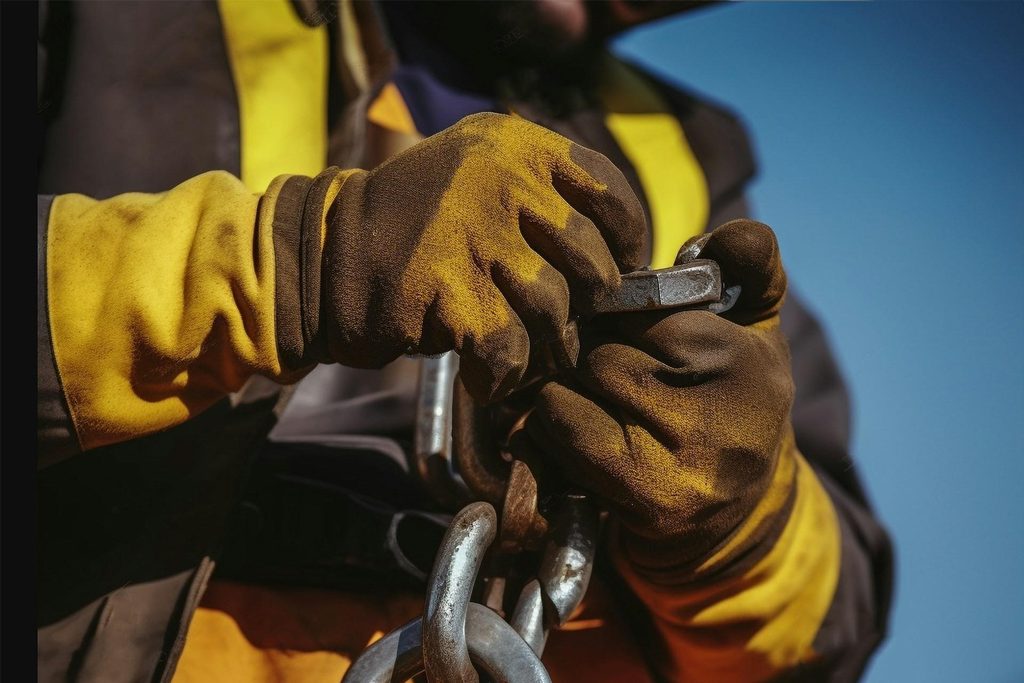
Bull rigging requires high situational awareness, precise manual coordination and strict adherence to safety rules. Team members must remain vigilant throughout the operation, as a single lapse in attention can compromise the entire move.
Conduct preuse inspections and evaluate all gear thoroughly to spot red flags, such as fraying, deformation or birdcaging. Avoid using any hardware with signs of damage, as it may fail without warning.
Calculating load and tension helps you determine the exact weight and center of gravity, which matters because shallow sling angles dramatically increase the tension force on each leg. Miscalculating can potentially cause loads to exceed equipment capacity.
Clear communication enables precise team coordination and allows all workers to synchronize their movements through hand and verbal signals in tight quarters. Establish communication protocols before beginning work so everyone understands stop, slow and directional signals. Issue proper personal protective equipment to all riggers, including hard hats, cut-resistant gloves and ankle-supporting boots.
Training Requirements for Bull Riggers
Credentialed master riggers make reliable bull riggers because they possess the technical knowledge and hands-on skills required for complex load handling. Formal training teaches these construction professionals best practices that comply with OSHA regulations and industry standards.
One of these is OSHA 1926.251. According to CICB, it sets out the general requirements for rigging equipment used in material handling in construction. The regulation establishes specific standards for slings, including which markings to use and how frequently inspections should occur.
Advanced rigger courses prepare workers for NCCCO certification while allowing trainees to learn from subject matter experts. Industry-leading educators with expertise in operating cranes and rigging equipment facilitate the program, and the course includes hands-on learning, so riggers can apply what they learned quickly.
Frequently Asked Questions About Bull Rigging
Here are answers to common questions about bull rigging.
What is bull rigging?
According to CICB, bull rigging is a specialized load-handling technique used to move, lift, position or suspend heavy objects without using cranes, crane-like lifting systems or conventional transport devices.
Bull rigging is useful for moving loads through narrow openings, areas with low headroom or around tight corners and placing them onto slide or roller systems. This technique is also instrumental in taking loads to their final destination after the crane reaches its limit and in fine-tuning the placement of multiton equipment to ensure millimeter-level accuracy before final anchoring.
Does OSHA require certification for bull rigging?
OSHA does not require certification for bull rigging. However, the federal agency holds employers responsible for ensuring that their bull riggers are qualified to perform the job properly and comply with its regulations to promote workplace health and safety.
OSHA defines qualified persons as workers who hold a recognized certificate or have demonstrated the ability to solve job-related problems through extensive knowledge, training or experience. Some insurers may require training to cover active worksites.
Who is considered a qualified bull rigger?
A construction worker who has undergone formal training and demonstrated deep knowledge and hands-on skill is considered a qualified bull rigger. A highly experienced rigging professional in the United States can become credentialed by going through an advanced rigging course and earning an NCCCO certification.
Choose Bull Rigging Training for Load Movement Safety
Credentialed riggers on your crew are more important than ever as construction sites become increasingly confined. Invest in formal training to prepare workers for this specialized technique and comply with relevant OSHA standards.
*Please note that this list includes sponsored content. Some of the companies, products, or services featured have entered into commercial agreements for placement. Sponsored placements do not necessarily reflect an endorsement and should be considered alongside other options in the marketplace.