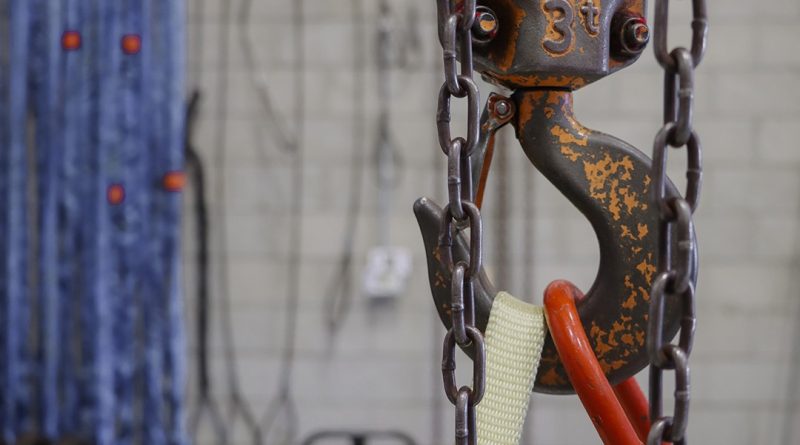
Top-Rated Rigger Certification Programs: Shortlisted Industry Programs
Rigging operations in construction and manufacturing demand precision and strict safety protocols. A single error can result in equipment damage, project delays, fines or serious injury. Investing in rigger training protects your workforce, reduces liability and keeps projects on schedule. However, not all certification prep programs deliver equal value. A top-rated program directly impacts your safety record and profitability.
What Defines a “Top-Rated” Rigger Training Program?
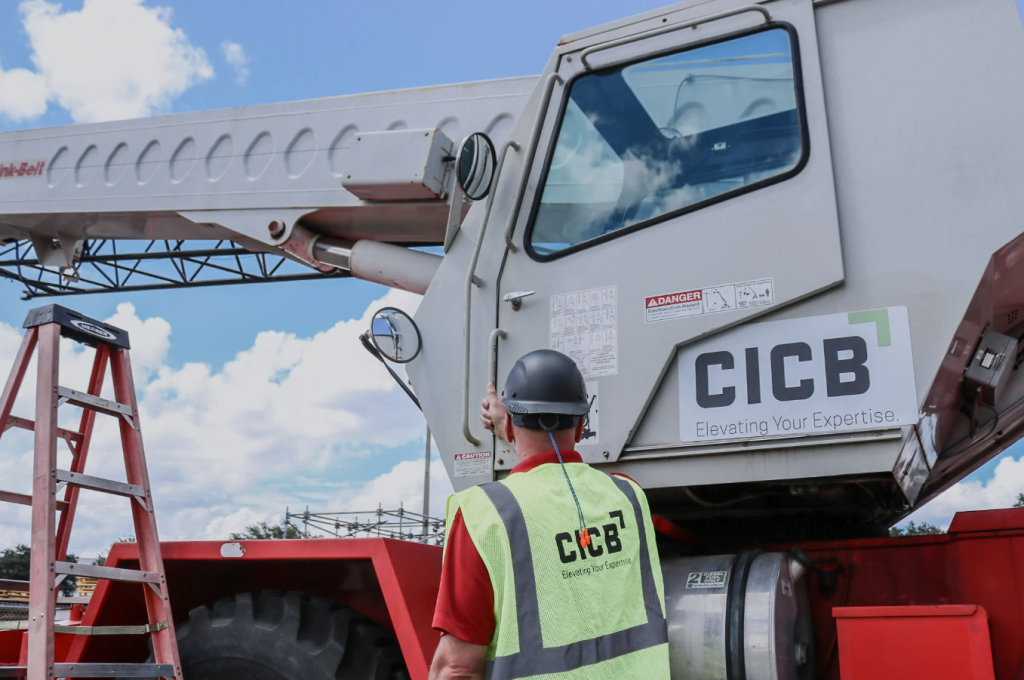
Quality rigger training programs share common characteristics that separate them from basic compliance courses. Understanding these criteria helps you identify providers that deliver measurable value. The right program reduces workplace incidents, improves operational efficiency and provides a return that justifies your training investment.
1. Emphasis on Proven Safety Awareness and Practical Skills
Your team needs hands-on experience with the equipment and scenarios they encounter daily. Practical training builds muscle memory and decision-making skills that classroom-only instruction cannot replicate.
According to the Texas Department of Insurance, “8% of construction deaths in 2021 were due to workers who were struck by objects that were swinging, falling, or misplaced. These included falling objects due to rigging failure.” Structured training that emphasizes real-world safety practices directly addresses this risk.
2. Alignment with Key Industry Standards
The Occupational Safety and Health Administration (OSHA) and the American Society of Mechanical Engineers (ASME) standards form the foundation for safe rigging operations. Training programs built around these frameworks help your team meet regulatory requirements while developing the skills inspectors expect to see.
Knowledge of industry standards remains highly desirable for anyone working with lifting equipment. Programs that teach current OSHA regulations and ASME standards give your workforce the competency needed to operate safely and legally.
3. Delivers a Clear Return on Investment (ROI) for Employers
Training costs money. Top-rated programs justify that investment through measurable business outcomes. The National Center for Construction Education and Research reports that structured training and certification lead to higher proficiency, reduced rework and better safety records. These improvements translate to lower project costs and faster completion times.
A high-quality training program substantially reduces the financial impact of a rigging accident, such as medical costs, workers’ compensation claims, OSHA fines, equipment repairs and project delays.
A Closer Look at CICB’s Rigger Certification Prep Programs
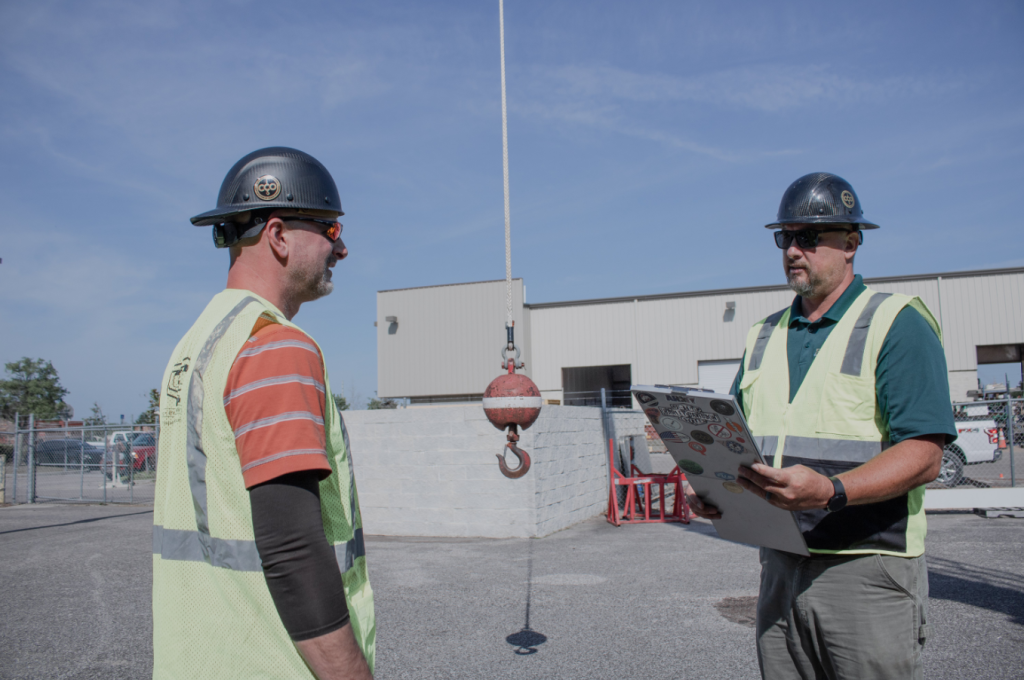
CICB offers certification-preparation programs that meet the criteria above. The technical knowledge and practical skills in each program prepare participants for nationally recognized certification exams.
1. CCO® Rigger Level I Preparatory Training
This foundational program prepares participants for the National Commission for the Certification of Crane Operators exam. The curriculum covers load weight calculation, rigging hardware selection, hitches and configurations and safe load handling procedures. Hands-on training allows participants to practice techniques with experienced instructors.
Testimonial:
“Very impressive training center. Instructors are very experienced and educated. Training facility is new modern and provides a clean well organized setup for students to learn in. Staff is friendly and accommodating. Highly recommend!!” One anonymous user said.
2. CCO®Rigger Level II
Advanced riggers need expertise beyond basic load handling. This program builds on Level I fundamentals with complex rigging scenarios, advanced load dynamics, multi-crane lifts and specialized hardware applications. It allows participants to develop the judgment needed for challenging lifts that require precision planning and execution.
Testimonial:
“Larry was professional and laid out a curriculum that covered the entire process. Larry was understanding and took the time to explain anything that didn’t make sense and fill in any gaps,” said one customer, Steve.
3. Advanced / Master Rigger Program
Seasoned professionals managing complex industrial rigging operations benefit from this comprehensive program. Critical lifts, engineering principles, load stress analysis and project planning form the core curriculum. Advanced knowledge gained through this program helps participants oversee high-stakes rigging operations.
Testimonial:
“Jarad Borowicz, great instructor, very knowledgeable. His presentations were great and prepared very well,” said customer Shadrock L.
The Top 3 Advantages of Partnering With CICB
CICB brings distinct benefits that support your training objectives and operational requirements. The combination of expert instruction, flexible delivery and comprehensive guidance helps businesses achieve safety and compliance goals efficiently.
1. Training Led by Certified Subject Matter Experts
Instructors at CICB are certified in both adult education and the lifting operations they teach. Each brings extensive field experience operating cranes and managing rigging operations. This practical background enriches course content with real-world scenarios that purely academic instructors cannot provide.
2. Flexible Scheduling
Training delivery adapts to your operational needs. CICB provides instruction at your workplace using your equipment or at modern training centers. On-site training minimizes travel costs and downtime while allowing teams to train on the specific equipment they use daily. Multiple training types can be scheduled at a single location in consolidated time blocks.
3. Qualified Rigger to Certified Professional
According to CICB, “Rigger certification is a step beyond qualification. A rigger may receive certification to verify or enhance their capabilities by passing written and practical exams administered by an accredited certification agency. While rigger certification helps to confirm a rigger’s qualification, OSHA does not currently require rigger certification.”
CICB guides you through both paths. Your team can meet employer-specific requirements through qualification training. Certification prep programs offer preparation for nationally recognized exams that demonstrate competency beyond a single employer.
Frequently Asked Questions
These answers address common concerns business leaders face when evaluating rigger certification options.
How much does rigger certification cost?
Rigger certification costs vary based on program level and training format. Basic certification prep courses typically range from several hundred to over a thousand dollars per participant. Advanced programs represent larger investments but deliver proportional value through enhanced capabilities or reduced long-term training costs.
What are the prerequisites for Rigger Level II certification?
Rigger Level II candidates must demonstrate Rigger Level I skills and knowledge. While formal Level I certification is not always required, participants need foundational competency in basic rigging principles, load calculations and standard hardware applications before advancing to Level II material.
Are online rigger certifications as valuable as in-person training?
In-person rigger training programs provide hands-on experience that online formats cannot replicate. Practical skills development requires physical interaction with equipment, real-time instructor feedback and the ability to practice techniques under supervision. When comparing online and in-person rigger training programs, keep in mind that certification exams include practical components that require demonstrated physical competency.
Partner with CICB for Leading Rigger Certification Programs
Top-rated rigger programs deliver safety-focused training aligned with industry standards and proven ROI. CICB exemplifies these qualities through expert instruction, flexible delivery and comprehensive support from qualification through certification. Help your workforce gain knowledge and skills for successful business operations.
About Author
Eloise Badenhorst is a digital analyst at an award-winning agency with 18 years of writing experience, including over five years covering construction safety, general contracting, project management and emerging construction technologies. With a degree in journalism, postgraduate qualifications in translation & professional writing and visual studies, and professional certification in digital marketing, she brings comprehensive insights on construction innovation, contractor operations and the evolving global construction landscape.
*Please note that this list includes sponsored content. Some of the companies, products, or services featured have entered into commercial agreements for placement. Sponsored placements do not necessarily reflect an endorsement and should be considered alongside other options in the marketplace.