
The $50,000 Multi-State Compliance Challenge: Why the Same Elevator Passes in One State but Fails in Another
In a scenario increasingly common across the industry, a facility manager oversees two nearly identical office buildings. Both use the same Schindler 3300 elevator model, and both operate under the same maintenance agreement. Six months after passing inspection in California, the elevator in Connecticut fails its inspection and requires nearly $50,000 in upgrades before it can return to service.
The equipment did not suddenly become unsafe, nor did the maintenance contractor overlook a repair. The difference came down to how each state enforces its own version of ASME A17.1, the elevator safety code. This situation is becoming increasingly common for organizations with properties across multiple states. Universities, healthcare systems, commercial real estate owners and corporate campuses often assume that maintaining elevators is enough to remain compliant. In reality, multi-state elevator compliance requires far more than routine service.
Why Can the Same Elevator Pass in One State but Fail in Another?
The same elevator can pass inspection in one state and fail in another because elevator safety codes are not adopted uniformly across the U.S. ASME A17.1/CSA B44 is the national standard for elevator safety, with updated editions published every three years. However, each state decides when to adopt those updates. This creates different compliance requirements across jurisdictions. California still operates under ASME A17.1-2004, while Connecticut has adopted the 2019 edition, creating a 22-year code span between the two states.
According to ATIS, a portfolio-wide elevator compliance and asset management service provider in North America, “Although most states and provinces adopt some version of ASME A17.1/CSA B44, each authority having jurisdiction (AHJ) determines how and when that code is applied. Some require inspections every six months; others once per year. Some mandate that safety tests be witnessed; others allow mechanic-signed affidavits.”
Jurisdictional differences also apply to the versions of the code that states enforce. For example, California still follows ASME A17.1-2004, Connecticut enforces the 2019 edition, and Pennsylvania only transitioned from the 2000 edition in July 2025. Conversely, New York City uses the 2013 edition with its own Appendix K modifications.
The result is a documented 22-year span in code adoption between jurisdictions where organizations may own identical buildings with the same elevator equipment. For facility managers overseeing multiple properties, staying compliant requires an understanding of how elevators are maintained and how local regulations differ.
| What is multi-state elevator compliance? Multi-state elevator compliance refers to the process of ensuring vertical transportation equipment meets different regulatory requirements across state boundaries. In the United States, each state adopts different editions of the ASME A17.1 Safety Code for Elevators and Escalators at different times, creating a patchwork of up to 22 years of code variation. This means the same elevator equipment may pass inspection in one state while failing in another, requiring institutions with multi-state portfolios to maintain separate compliance documentation, testing protocols and maintenance schedules for essentially identical equipment. |
How Does Multi-State Compliance Affect Large Property Portfolios?
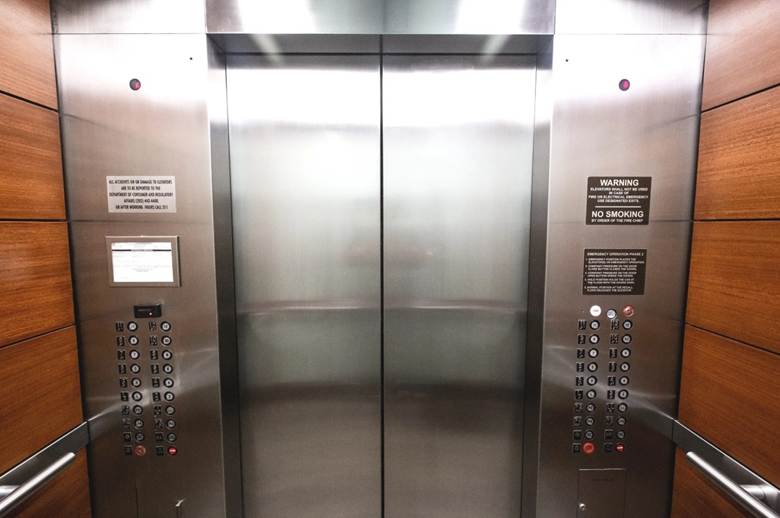
Compliance challenges can easily spread across large property portfolios. Retail chains, healthcare systems, universities and commercial real estate owners typically oversee large portfolios. The scale varies widely. At Wayne State University in Michigan, facility managers oversee 170 elevators across campus buildings. At VCU Health in Richmond, Virginia, the system manages 122 elevators and three escalators. At the University of Toronto, the portfolio includes 230 elevators serving academic, research, and residential facilities. National retailers may operate hundreds of elevators and escalators across dozens of states, each subject to different inspection cycles and enforcement priorities. In a Class A office building, a single elevator outage can affect 400+ tenants, creating immediate pressure to resolve compliance issues quickly. Many systems are 20 to 30 years old, operate almost continuously and serve people who rely on elevators. A compliance issue at one building can easily become a portfolio-wide concern.
Recent events demonstrate how these risks affect real institutions. During the first two months of the spring 2026 semester, Louisiana State University reported 17 elevator entrapments. Separately, the Nicholson Gateway building experienced six incidents in recent months. Compliance challenges extend beyond campuses — retail facilities and commercial buildings face similar pressures. In 2024, one major university campus discovered that 94% of the campus’s 274 elevators had expired operating permits, with permits averaging more than 160 days overdue. This shows how difficult it can be to keep pace with inspection requirements across a large portfolio.
The issue is not limited to educational institutions. Local governments have also responded to the consequences of prolonged elevator outages. In Broward County, Florida, an ordinance was implemented on June 9, 2026, after prolonged elevator outages left seniors trapped in residential buildings, prompting officials to introduce stricter outage requirements for the county’s more than 11,000 elevating devices.
ATIS notes that managing compliance across multiple states and buildings involves more than scheduling routine inspections. States and local jurisdictions may have additional requirements, including acceptance inspections, alteration inspections and witnessed safety tests. In many cases, only Qualified Elevator Inspectors (QEIs) are authorized to perform these inspections and tests.
Why Don’t Maintenance Contracts Solve Compliance Problems?
While routine maintenance may keep elevators operating, it doesn’t provide the same oversight as elevator compliance management. Most maintenance contracts focus on preventive service, emergency callbacks, repairs and parts replacement. The primary goal is to keep elevators operating safely and reliably.
ATIS explains, “Traditional maintenance contracts typically focus only on equipment upkeep from a single vendor. Elevator managed services are offered by an independent consulting provider, delivering comprehensive oversight that includes compliance tracking, vendor performance analysis, strategic capital planning, and data-driven visibility.”
That broader oversight is important for organizations with properties in multiple states. Standard maintenance agreements generally don’t include certificate management, coordinated inspection scheduling, portfolio-wide compliance tracking or long-term capital planning across multiple Authorities Having Jurisdiction.
Instead of replacing maintenance providers, compliance management complements them by giving facility teams a clearer view of inspections, permits and regulatory obligations across every property. The visibility can help identify potential issues before they lead to failed inspections, modernization delays or unexpected compliance costs.
What Does Portfolio-Wide Elevator Compliance Management Look Like?

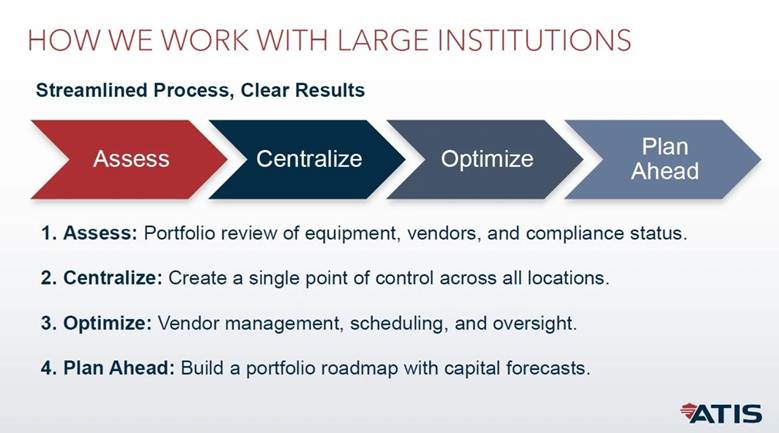
Portfolio-wide elevator compliance management provides facility teams with a centralized view of every elevator, eliminating the need to manage each property independently. Organizations can also monitor compliance across their portfolios and address issues before they become costly.
This approach is becoming more important as the industry changes. The Elevator and Escalator Industry Report 2026-2035 projects the global market will reach $183 billion by 2030. “This expansion is driven by factors such as urbanization, high-rise construction, and public infrastructure investments. Growing demand for advanced traction technologies and vertical transportation solutions further boost this trend,” the report says.
As elevator systems become more advanced, compliance strategies also need to keep pace. A comprehensive program typically includes:
- Centralized compliance tracking for certificates, inspections and permit expirations
- Multi-state code expertise to navigate different ASME code editions and local requirements
- Independent guidance on maintenance contracts, modernization planning and vendor proposals
- Portfolio-wide elevator asset management that prioritizes upgrades based on equipment condition and life cycle
ATIS combines these services through certificate management, national inspections, asset management and vendor coordination. Founded in 2012 and expanded in 2023 through a merger with industry leaders KJA (established 1965 in Canada) and Liberty Elevator Experts, ATIS created North America’s largest elevator and escalator consulting, inspections, and managed services company. Operating 12 offices across the United States and Canada, ATIS’s network of 185+ Qualified Elevator Inspectors serves over 100,000 devices. The company supports organizations across North America, including national retail chains, commercial real estate portfolios, healthcare systems, and educational institutions such as the University of Pennsylvania, Kansas State University and the University of Illinois.
The company’s proprietary ATIS Alert platform gives facility teams centralized visibility into inspection schedules, reports, certificate status and open violations across an entire portfolio. ATIS reports that “In 2025, ATIS reviewed $10 million in invoices, over $6 million in proposals and saved our top 10 clients over $4 million.” The company has successfully managed certificate compliance for national retail portfolios, moving clients from compliance backlogs to full regulatory adherence across multiple state jurisdictions.
How Can Facility Managers Get Ahead of Compliance Issues?
Organizations with elevators across multiple jurisdictions can reduce compliance risks by taking a portfolio-wide approach. This includes identifying the version of the ASME A17.1 code enforced in each state, then reviewing maintenance agreements to confirm they include certificate management and multi-state compliance tracking. Operating permits, inspection schedules and unresolved violations should also be reviewed regularly, with modernization projects planned before new code requirements take effect.
These measures are becoming increasingly important as jurisdictions continue adopting newer editions of ASME A17.1, including the 2025 edition, which introduces cybersecurity requirements. Additionally, local governments are strengthening oversight. This places greater importance on consistent compliance planning throughout a property’s life cycle.
According to ATIS’s managed services model, facility managers should understand the three core types of elevator inspections, including periodic inspections, periodic safety tests and acceptance inspections. Periodic inspections are visual evaluations of elevator condition and code compliance that verify critical components such as brakes, emergency devices and overspeed governors. Acceptance inspections take place after a new installation or major modernization to confirm the equipment complies with current code before entering service.
Taking proactive steps can help organizations improve compliance planning, reduce operational disruptions and better manage elevator portfolios as regulations continue to change.
Frequently Asked Questions
Understanding multi-state elevator compliance can help facility managers reduce risk and improve long-term planning. Below are answers to some common questions about managing elevators across multiple jurisdictions.
How can facility managers reduce elevator compliance risks across multiple properties?
A portfolio-wide view of inspections, operating permits, certificates and code requirements helps identify potential issues before they become failed inspections or unexpected repair costs. Regular audits, coordinated inspection schedules and long-term modernization planning also support stronger compliance across multiple jurisdictions.
What types of inspections should facility managers understand?
Elevator compliance typically involves three main inspection types. Periodic inspections evaluate visible equipment condition and code compliance, periodic safety tests verify critical safety systems and acceptance inspections are required after new installations or major modernization projects before equipment can return to service.
Why is multi-state elevator compliance becoming more important?
States continue to adopt newer versions of the ASME A17.1 safety code on different timelines, creating varying requirements across jurisdictions. Simultaneously, updated standards, such as the 2025 edition, introduce new requirements and cybersecurity provisions. Local governments are also increasing oversight of compliance. For organizations with properties in multiple states, staying ahead of these changes can help reduce operational disruptions and compliance risks.
No Surprises Between Floors
The $50,000 compliance surprise from the opening scenario was not caused by poor maintenance. It was the result of a fragmented regulatory landscape where identical equipment can be held to different standards depending on where it operates.
Organizations that understand this complexity are moving beyond reactive maintenance and adopting portfolio-wide elevator compliance management supported by centralized visibility, independent expertise and long-term planning. ATIS’s Total Elevator Asset Management (TEAM) program transforms institutions from reactive compliance mode to strategic asset management, providing the centralized data and independent expertise needed to optimize lifecycle costs and performance across entire portfolios. Through ATIS’s asset management services, institutions gain a strategic partner. The goal is to keep elevators running and ensure they remain compliant across every jurisdiction.
Learn More About Multi-State Elevator Compliance
ATIS provides independent elevator and escalator consulting services for institutional and commercial portfolios across North America. Backed by 185+ QEIs and the proprietary ATIS Alert compliance platform, the company helps organizations move from reactive maintenance to strategic elevator asset management. Services include:
- Certificate Management and Compliance Tracking
- Multi-Jurisdiction Inspection Coordination
- Portfolio-Wide Elevator Asset Management
- Capital Planning and Modernization Strategy
ATIS maintains active memberships in NAESA International, the American National Standards Institute (ANSI), the National Elevator Industry, Inc., and the Elevator Escalator Safety Foundation, with QEI certifications accredited through ANSI’s ISO/IEC 17024:2012 standard. Trusted by Duke University, the University of Pennsylvania, Kansas State University, the University of Illinois, the University of Alabama and Marquette University. Learn more at ATIS.com or contact an Elevator Advisor.
*Please note that this list includes sponsored content. Some of the companies, products, or services featured have entered into commercial agreements for placement. Sponsored placements do not necessarily reflect an endorsement and should be considered alongside other options in the marketplace.