Radiographic Film for Construction: Finding Quality NDT Materials
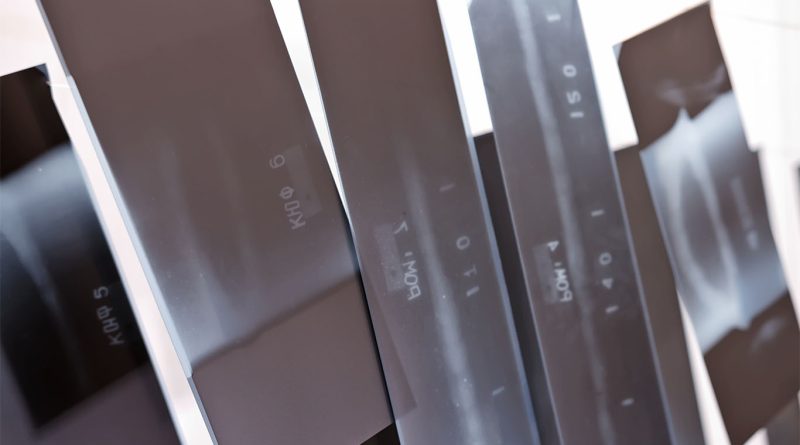
Radiographic film plays an essential role in nondestructive testing (NDT) for construction quality control. The materials you select affect both project safety and your budget, and having low-quality film means retesting and delays that drain resources.
Knowing how to evaluate NDT suppliers helps you avoid expensive mistakes and keep projects on schedule.
The High Cost of Project Rework
When inspections fail due to poor imaging quality, teams repeat testing and address concerns that should have been caught early. The average rework cost can reach 0.76% of the total project value, covering both precompletion and postcompletion activities. Investing in reliable radiographic film can prevent such setbacks and keep timelines intact.
Key Qualities of Reliable Radiographic Film
Construction teams need radiographic film that delivers accurate results without compromising efficiency, such as that provided by Fujifilm.
Three factors separate quality options from inadequate alternatives:
Compliance with Building Codes and Standards
Requirements under the International Building Code establish the baseline expectations for testing materials. ASTM’s nondestructive testing standards define test methods and quality benchmarks suppliers must follow. Using compliant film protects you from legal liability.
Balance of Image Clarity and Exposure Speed
Image quality and exposure speed often conflict, but the right film balances both. You need clear, detailed images to detect structural flaws and verify the placement of elements, such as rebar. Faster exposures also mean less downtime. Quality film delivers sharp imaging without stretching your timeline.
Consistency and Availability From Suppliers
Your supplier should guarantee consistent film performance across batches and maintain adequate inventory. Inconsistent materials force you to recalibrate equipment and question results, while stock shortages create expensive delays.
How Nondestructive Testing Prevents Costly Errors
High-quality providers, such as the FUJIFILM Corporation, bring decades of imaging expertise to construction. Fujifilm’s nondestructive testing solutions help teams locate rebar and embedded pipes without breaking concrete or removing finished surfaces. This eliminates costs associated with partially destructive testing that requires repairs after inspection.
Frequently Asked Questions About NDT Film
Even high-quality film underperforms when exposed to harsh jobsite conditions or stored improperly. Construction teams ask these questions about protecting their investment in NDT materials.
How do temperature and humidity affect film on a construction site?
When you expose radiographic materials to varying temperatures and humidity levels, their thermal properties may shift and affect image development. Extreme heat can cause premature fogging of the film, while excessive moisture can compromise the emulsion layer. Store film in climate-controlled areas and allow it to reach ambient temperature before use.
Can digital NDT methods completely replace film in construction?
Digital radiography brings advantages, but hasn’t made film obsolete. Film remains the preferred choice for many construction projects because it doesn’t require expensive digital readers or on-site computer systems. Digital methods work well for high-volume testing, while film offers reliability in remote locations.
What is the typical lifespan of an archived radiographic image?
Properly stored radiographic film can remain legible for decades, making it valuable for long-term documentation. Keep archived film in cool, dry environments away from sunlight and chemical fumes. Temperature and humidity may accelerate deterioration. Many firms maintain film archives for 10 to 30 years to support warranty claims, litigation defense and renovation planning.
Project Integrity Through Quality Materials
Every material choice you make during construction contributes to the finished structure’s longevity and performance. Selecting dependable radiographic film, and relying on a trusted supplier such as Fujifilm, sets a foundation for thorough quality assurance.
Projects built on careful testing earn stronger reputations and generate fewer callbacks, protecting your clients and business over time.
*Please note that this list includes sponsored content. Some of the companies, products, or services featured have entered into commercial agreements for placement. Sponsored placements do not necessarily reflect an endorsement and should be considered alongside other options in the marketplace.