How Oklahoma City’s new arena fits a bigger construction strategy
Subscribe to our free newsletter today to keep up to date with the latest construction news.
Construction is underway on Oklahoma City’s new NBA arena, with crews moving from excavation to foundation work on what will become the future home of the Oklahoma City Thunder. For most observers, the project represents another modern sports venue designed to secure the franchise’s future. For the construction industry, however, the development offers a broader case study in how major civic projects are expected to stimulate urban regeneration, attract private investment and reshape downtown districts.
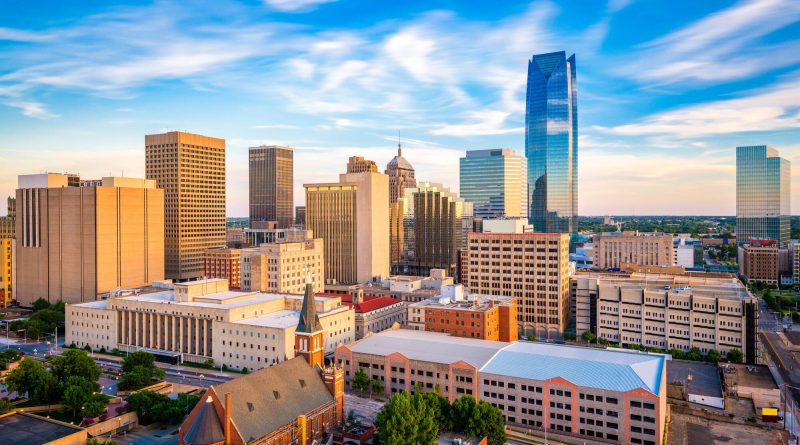
The arena, officially named Continental Coliseum, is expected to open in 2028 and forms part of a wider investment program that has transformed Oklahoma City over the past three decades. Rather than viewing the project as a standalone stadium, city leaders have consistently presented it as another stage in a long-term strategy to strengthen downtown, improve public infrastructure and reinforce the city’s economic competitiveness.
Oklahoma City’s latest arena continues a decades-long investment strategy
Unlike many North American cities that have pursued isolated stadium developments, Oklahoma City’s approach has been built around the Metropolitan Area Projects, or MAPS, initiative. Since the 1990s, successive rounds of voter-backed investment have funded parks, convention facilities, public transportation improvements, cultural attractions and sports infrastructure as part of a coordinated vision for downtown renewal.
The new arena represents one of the clearest expressions of that strategy. While the Thunder remain the project’s principal tenant, the development has been positioned as civic infrastructure capable of hosting concerts, conventions, major entertainment events and community gatherings throughout the year. The objective extends well beyond 41 regular-season NBA home games.
From a construction perspective, the project also demonstrates the complexity of modern multipurpose venues. Flintco and Mortenson have advanced from site preparation into major concrete works, marking an important milestone in a program that will eventually deliver one of the largest public construction projects currently underway in Oklahoma.
Modern arenas are increasingly sophisticated assets that incorporate flexible event spaces, advanced digital systems, sustainability measures and extensive public realm improvements. The result is far more than a sports venue. It becomes a catalyst for transportation upgrades, utility improvements, streetscape enhancements and supporting commercial development.
The real opportunity lies beyond the arena itself
Whether sports venues generate meaningful economic returns has long been debated. Academic research has frequently challenged claims surrounding direct job creation and local economic growth, suggesting many stadiums redistribute existing spending within a city rather than generating substantial new wealth.
The discussion has evolved in recent years. Rather than presenting arenas solely as economic engines, cities increasingly view them as anchors for placemaking, tourism, talent attraction and private investment.
Oklahoma City reflects this shift. Securing the Thunder’s long-term future provides certainty for developers considering nearby hotels, residential projects, restaurants and office developments. Long-term tenancy reduces investment risk and encourages confidence in surrounding districts.
The public realm is equally important. Streets, pedestrian routes, public spaces and transportation links often determine whether a venue becomes integrated into daily city life or remains active only on event days. Successful arena districts increasingly depend on what surrounds the building rather than the venue itself.
For contractors, engineers and developers, this creates opportunities well beyond the arena’s footprint. Supporting infrastructure, mixed-use developments and complementary commercial projects often account for a significant share of the investment generated by flagship civic developments.
Modern arena projects have become tests of long-term city building
The Oklahoma City arena illustrates how expectations surrounding sports infrastructure have changed. Success will not be measured solely by attendance figures or championship banners. Greater attention will focus on whether the project attracts sustained private investment, strengthens downtown activity and reinforces Oklahoma City’s position as one of the fastest-growing cities in the central US.
That makes the development relevant well beyond professional basketball. It demonstrates how public investment, construction expertise and long-term urban planning increasingly converge within a single project. For the construction sector, the arena provides another example of how flagship civic developments are evolving from standalone buildings into platforms for wider economic and urban transformation.
If Oklahoma City’s long-term strategy continues to succeed, the arena’s most enduring legacy may not be the games played inside it, but the city that continues to develop around it.
Source