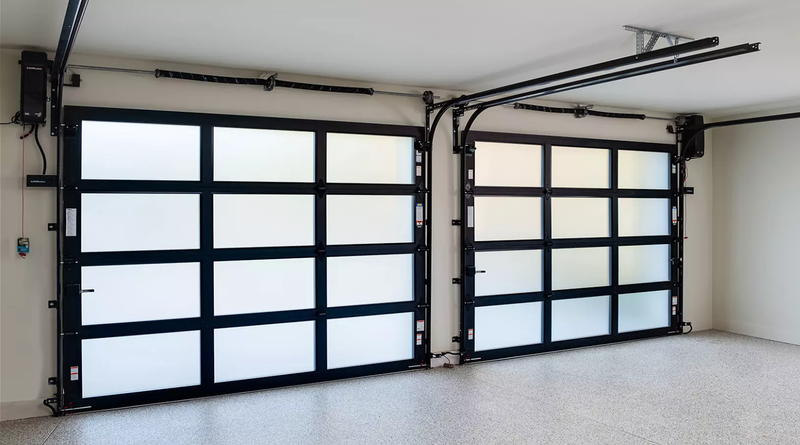
Four in Five Large U.S. Cities Now Allow ADUs. What Happens When the Unit Sits Over the Garage?
As more owners put ADUs over garages, opener selection ends up directly beneath someone’s bedroom, office or living room. Noise and vibration can travel through its mounting into the space above, making the opener a spec decision worth settling early with clients. Match the drive, motor, mounting and door before installation, and you can help your client keep each departure downstairs from interrupting the person upstairs.
Why Are ADUs Over Garages Becoming a Spec Problem?
Your next ADU project sits within a widening market. Roughly four in five large U.S. cities allow ADUs, though 43% of cities with ADU ordinances still impose at least one significant restriction.
Cities with permissive ordinances issued 81 ADU permits per 100,000 residents in 2025, over 11 times the rate of cities with restrictive ordinances. Whenever you place one of those units over a garage, the opener becomes part of your livability decisions.
How Does Structure-Borne Noise Reach the Unit Above?
The opener’s mounting creates a vibration path into the unit. Structure-borne noise travels through framing and joists rather than through air. The motor and drive feed that vibration through their supports, bypassing airborne sound control in the floor assembly.
Garage-door structure-borne noise can range from 5 dB to 20 dB above background noise levels. “Any 5 dB noise increase is considered significant and perceivable,” says Bonnie Schnitta, owner of Sound Sense LLC, an acoustic consulting firm. Your mounting specification for your projects therefore deserves attention alongside the drive choice.
Is a Belt-Driven Garage Door Opener Better Than a Chain-Driven One?
A belt-driven opener generally suits living space overhead better. Its reinforced rubber belt avoids metal-on-metal contact, reducing vibration and wear.
For chain-drive ADU retrofits, the benefits of replacing a garage door opener with a belt-driven system begin with noise reduction. LiftMaster® in partnership with Clopay® recommends belt drives for “situations where bedrooms are located above the garage,” which applies to ADUs built over garages. That puts the opener choice into the same planning conversation as the door assembly, vibration isolation and the room layout above.
That guidance comes with a door-weight caveat. Belt drives work better with lightweight doors, while heavier doors call for a different assessment.
When Does a Chain Drive Still Make Sense?
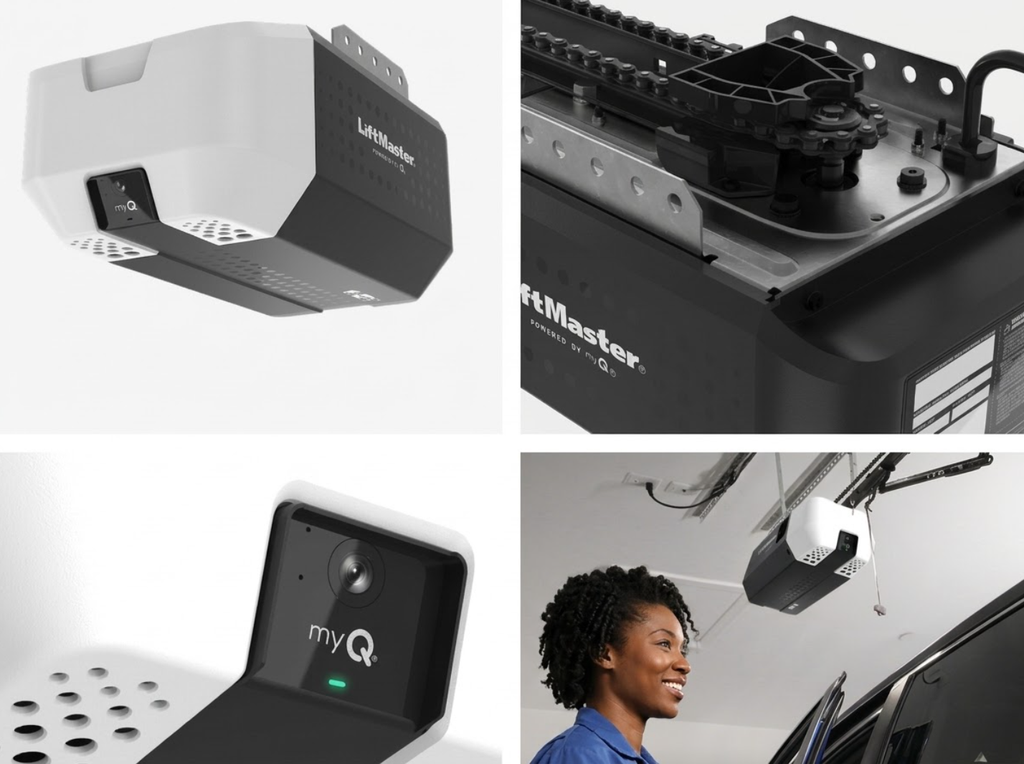
Chain drives pair better with heavier doors. They’re also the most budget-friendly option and handle heavy or oversized doors well. LiftMaster calls chain drives “the loudest because of the metal chain mechanism,” and notes that this noise is why they’re often recommended for detached garages.
Your overhead ADU reverses that detached-garage scenario. When you decide whether a belt-driven opener is better than a chain-driven one, weigh door weight against noise. With chain drive, scrutinize the motor and mounting.
How Much Quieter Is a Belt Drive Opener?
No verified decibel figure indicates how much quieter a belt-drive opener is than a chain-drive one, but the mechanism explains the gap. Without metal-on-metal contact, the belt produces minimal vibration, reducing the input that becomes structure-borne noise. That matters because even small increases are perceivable upstairs.
You also need to consider the motor, since smooth travel depends on more than the drive mechanism.
What Do DC Motors With Soft Start and Stop Change?
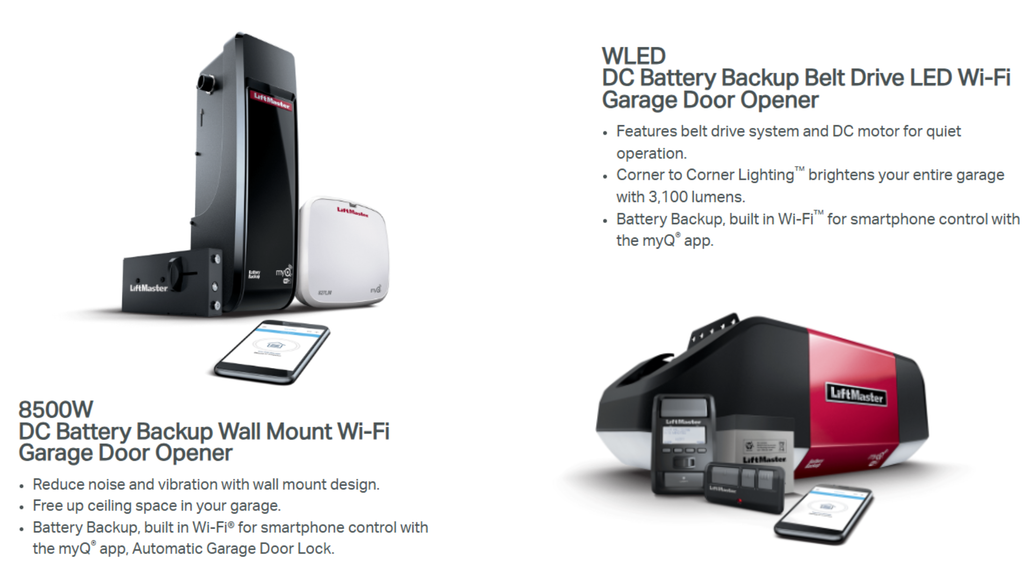
Soft start and stop gradually increase and decrease door speed, reducing abrupt jolts at either end of travel. Under living space, specify a direct-current (DC) motor.
According to LiftMaster, the Belt Drive Opener with DC Motor, like the Model WLED, is: “Perfect for attached garages, homes with living spaces above the garage, and townhomes where you share a common wall. Quiet garage door openers reduce noise for you and your neighbors.”
Confirm the selected system includes battery backup equipment, since motor type alone doesn’t guarantee it.
What Should You Confirm Before Choosing an Opener?
Before ordering, confirm these details:
- Door weight and horsepower: Match power to the door’s actual size and weight. LiftMaster suggests stepping up to a 3/4 HP or 1 HP model for larger, heavier or insulated doors. Heavier doors also favor chain drives.
- Mounting and decoupling: Schnitta’s acoustic consulting firm often installs decoupler clips, which typically reduce vibration to only 2 dB, depending on motor horsepower and door weight. Specify compatible isolation hardware.
- Professional installation: Many manufacturers require professional installation for warranty coverage. Confirm your model’s installation requirements and warranty terms before ordering.
These choices also influence your opener’s service life.
What Is the Lifespan of a Belt-Driven Garage Door Opener?
No set figure defines the lifespan of a belt-driven garage door opener, so avoid promising clients a replacement interval. The belt’s lack of metal-on-metal contact means less wear over time. Your horsepower match and proper installation also affect service life.
Which Questions Belong in Your Client Conversation?
Match your specification to occupancy by asking these questions before ordering:
- Who will sleep or work above the garage?
- What hours will they keep, including early departures or night shifts?
- Which door do they want, and what does it weigh?
Talking Points for Your Clients
Discuss these points before installation:
- Ask for a belt-drive opener beneath the living space.
- Your builder will check whether door weight calls for a chain drive or a stronger motor.
- Vibration-isolating mounts can reduce the hum reaching your floor.
- Check whether your opener’s warranty requires professional installation.
Why Should the Opener Be a Standard Spec Step?
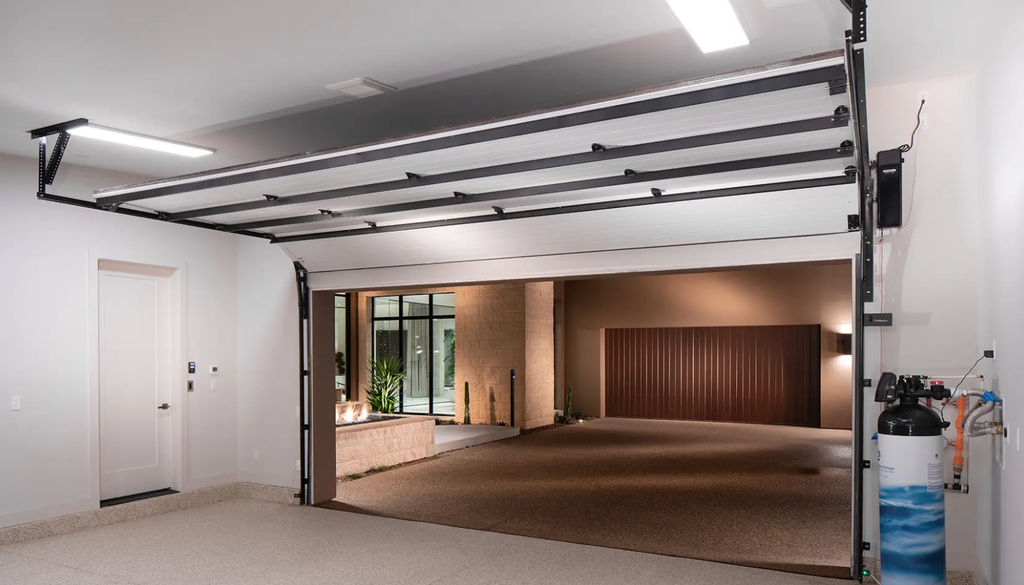
Once someone lives above your garage project, give the opener more than a commodity selection. Coordinate belt drive, a DC motor, correct horsepower, decoupled mounting and professional installation around the chosen door. Make opener selection a standard step on every over-garage ADU specification and settle it before anyone moves in upstairs.
*Please note that this list includes sponsored content. Some of the companies, products, or services featured have entered into commercial agreements for placement. Sponsored placements do not necessarily reflect an endorsement and should be considered alongside other options in the marketplace.