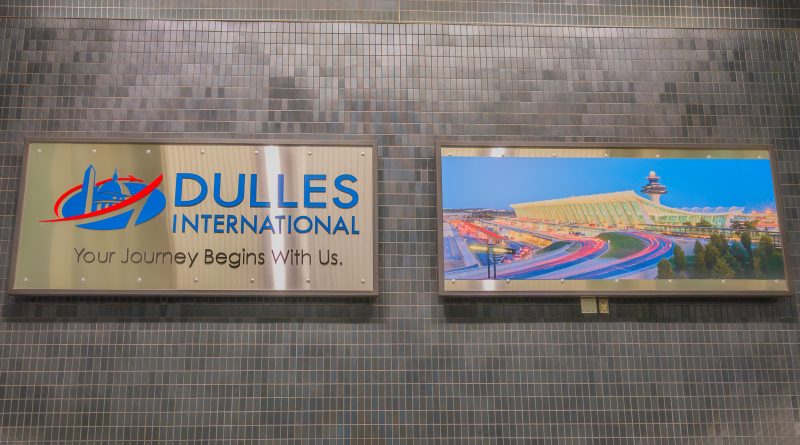
Dulles Airport’s megaproject sets a new benchmark for aviation infrastructure
Subscribe to our free newsletter today to keep up to date with the latest construction news.
Washington Dulles International Airport has never lacked ambition. Designed by Eero Saarinen and opened in 1962 as a gateway to the nation’s capital, the airport has long been recognized for its sweeping architecture and distinctive mobile lounges. Today, it is preparing for its biggest transformation yet. What began as a plan to replace aging concourses has evolved into a modernization program valued at roughly $20 billion, placing Dulles among the largest airport infrastructure projects underway in North America.
The expanded vision reflects more than the need to replace obsolete facilities. Airports have become major economic assets that must accommodate rising passenger volumes, support international commerce and deliver resilient infrastructure capable of adapting to future demand. For Dulles, the challenge extends beyond building new terminals. The airport is being reimagined to serve the Washington region for decades while remaining fully operational throughout construction.
How a replacement project evolved into a long-term redevelopment strategy
The original plan focused on replacing Concourses C and D, facilities that have exceeded their intended service life. Built as temporary structures, they now handle a significant share of daily operations, particularly for United Airlines, the airport’s largest carrier. As planning advanced, airport officials determined that replacing two concourses alone would not resolve wider operational and passenger experience challenges.
The result is a phased redevelopment program that reaches well beyond terminal construction. The plan includes new concourses, expanded international arrivals facilities, upgraded baggage handling systems, enhanced security checkpoints and improved passenger circulation across the airport campus. New automated transportation links are expected to reduce reliance on the airport’s mobile lounges as passenger numbers continue to grow.
Construction is already underway. Concourse E represents the first major phase of the broader redevelopment and will provide additional gate capacity while serving as the foundation for future expansion. Long-term planning continues for the replacement of Concourses C and D with modern facilities designed to accommodate larger aircraft, improve passenger flow and increase operational flexibility.
The scale of the investment reflects projected growth across the Washington metropolitan region. International travel continues to expand while airlines require airports capable of supporting increasingly complex operations. Rather than relying on incremental upgrades, Dulles is pursuing a master plan designed to meet future demand before capacity becomes constrained.
Modern airport design extends well beyond terminals
Airport modernization now encompasses much more than architecture. Passenger expectations have shifted toward faster security screening, intuitive wayfinding, improved accessibility and seamless digital services. Airlines also require facilities that improve efficiency while supporting increasingly sophisticated aircraft fleets.
The Dulles redevelopment responds through an integrated approach. Expanded customs and immigration facilities will improve processing for international passengers, while upgraded baggage systems are expected to improve reliability during peak travel periods. New concourses will provide more flexible gate configurations capable of accommodating a broader range of aircraft as airline networks evolve.
Technology is becoming central to airport planning. Digital infrastructure supporting biometric screening, automated passenger processing and real-time operational management is increasingly common in new airport developments. Although these systems often operate behind the scenes, they contribute to reducing delays and improving operational efficiency.
Sustainability is also shaping airport redevelopment. New projects increasingly incorporate energy-efficient buildings, lower-carbon construction materials and infrastructure designed to reduce long-term operating costs. These investments support broader aviation industry efforts to improve environmental performance while accommodating continued passenger growth.
What one of America’s largest airport projects means for the industry
Delivering a project valued at approximately $20 billion presents challenges beyond engineering. Large airport programs must balance construction with uninterrupted daily operations while coordinating multiple contractors, airport authorities, airlines and government agencies.
Airport redevelopment is typically financed through airport-generated revenue, airline agreements and long-term bond programs rather than direct taxpayer funding. This approach allows long-term investment while requiring careful financial management to align improvements with passenger growth and airline demand.
Experience from airport projects around the world demonstrates the value of phased delivery. Instead of replacing facilities all at once, airports increasingly sequence construction over many years, allowing operations to continue while incorporating lessons learned from earlier phases. The strategy also provides flexibility as technology advances and travel patterns change.
For contractors, designers and suppliers, projects of this scale create long-term opportunities across architecture, engineering, digital systems, sustainability and specialist construction. The economic impact extends beyond the airport, supporting regional employment, supply chains and investment throughout the surrounding area.
Dulles’ transformation represents more than an airport expansion. It reflects how major aviation hubs are evolving into long-term infrastructure assets designed to support economic growth, strengthen transportation resilience and improve the passenger experience. As airports across the US face similar challenges tied to aging infrastructure and increasing demand, the Dulles modernization program offers a clear example of how strategic planning can reshape an international gateway for future generations.
Source