Custom Architectural Windows and Doors: 8 Questions Contractors Should Settle Before Buyout (2026)
Specifying custom architectural windows and doors is a high-cost commitment. Choosing the wrong manufacturer can fragment accountability across design, fabrication, glazing and installation. Ask vendors these eight questions to inform your procurement decisions.
| Key Takeaways Verify before you sign: Seek NFRC label certificates and NAFS-26 test documentation (and which edition it covers) from manufacturers, and confirm which California Wildland-Urban Interface (CWUI) Code requirements apply to your site, rather than relying on marketing claims. Clarify accountability: Confirm who handles glazing fabrication, product assembly and installation, so responsibility doesn’t get lost between design and the jobsite. Plan around 2026 realities: Factor in manufacturing location, tariff exposure, lead times and minimum order requirements when comparing bids. |
1. How Customizable Are Your Architectural Windows and Doors?
Ask exactly how a manufacturer defines customization to ensure everyone’s on the same page.
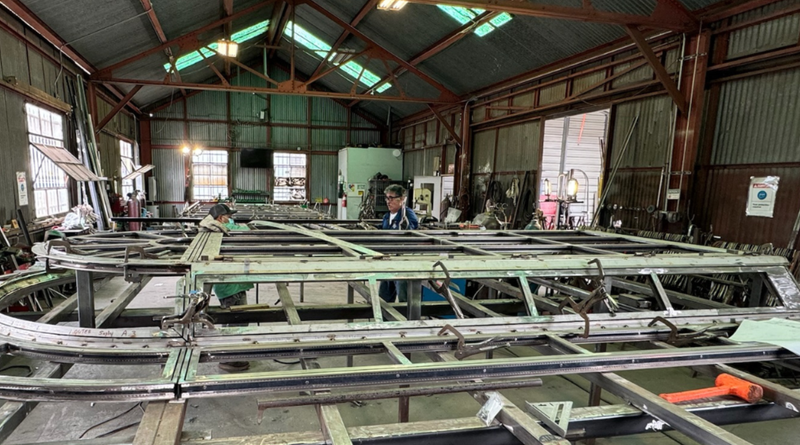
Riviera Bronze manufactures high-end custom windows and doors for projects inside and outside the United States. According to the company, “Standard products come in predetermined sizes, which may not align with your design intent. Custom units are crafted down to the millimeter, ensuring a perfect fit for any opening, including arched headers, asymmetrical layouts, or historical reproductions.”
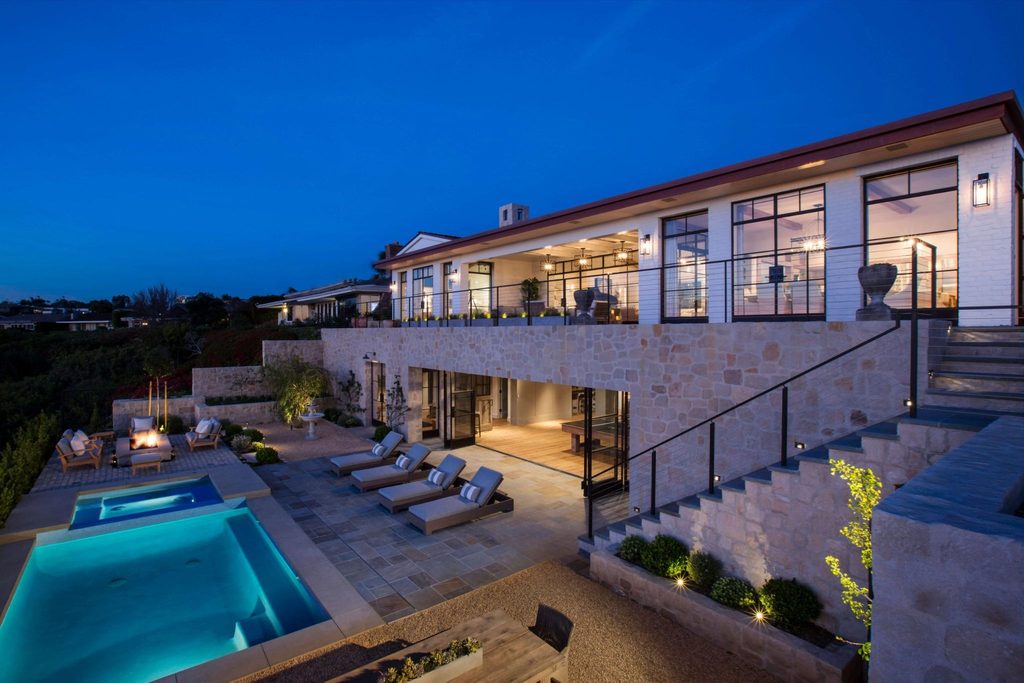
| ⚠️COMMON MISTAKE: “Bespoke” is often used for products made from scratch, while “custom” can mean units tailored for nonstandard opening dimensions with aesthetic options. |
2. Do Your Products Comply With Industry Standards?
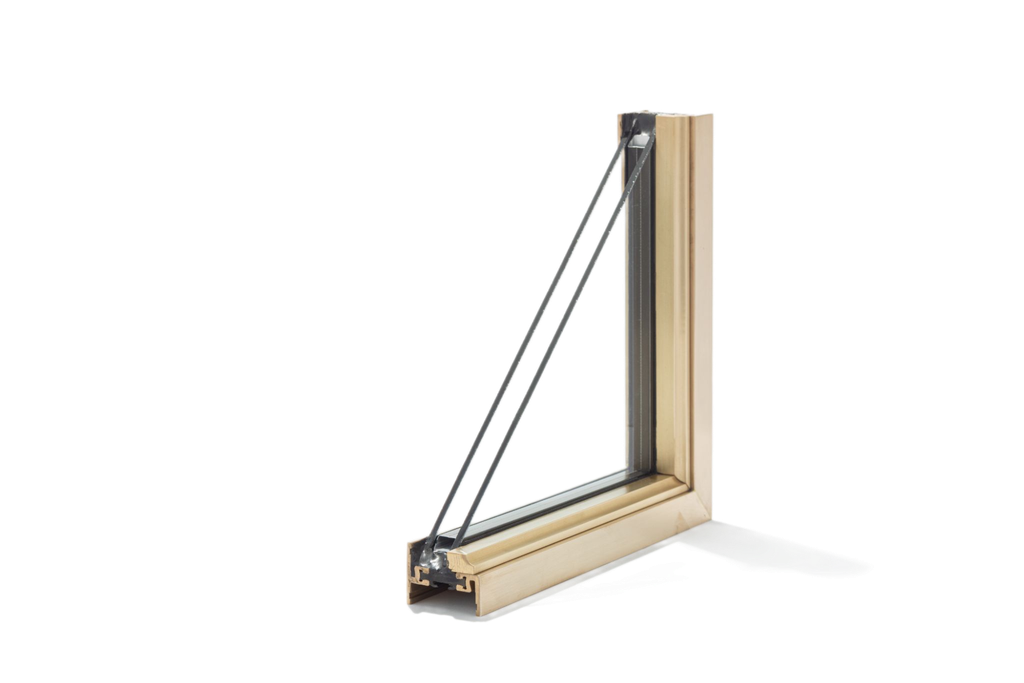
Verify if your prospective manufacturer’s products have National Fenestration Rating Council (NFRC) certification and comply with the North American Fenestration Standard (NAFS), and ask which edition they were tested to. NFRC-certified architectural windows and doors carry independently verified ratings, such as U-factor and solar heat gain coefficient, that energy codes rely on. NFRC says manufacturer data and simulation reports are not a substitute for its label certificate, while NAFS-26 (published in June 2026) now requires labels and test reports to carry a secondary designator with performance values for negative design pressure, positive design pressure and water penetration resistance test pressure.
Many codes still reference the earlier NAFS-22, with NAFS-26 proposed for the 2027 editions of the International Building Code and International Residential Code, so confirm which edition your project requires.
For example, Riviera Bronze says its American-made products feature proprietary engineered steel and thermally broken stainless steel profiles and NFRC certification, and that its systems are certified by the NFRC, which buyers can verify in NFRC’s public directory.
In wildfire-prone regions, fire protection is essential. According to California’s Office of the State Fire Marshal, a state agency dedicated to fire prevention, California Wildland-Urban Interface (CWUI) Code aims to increase a building’s ability to “resist the intrusion of flames or burning embers” projected by a vegetation fire, and it sets specific requirements for door, window and skylight glazing and for exterior doors.
The code replaced Chapter 7A of the California Building Code on January 1, 2026, and applies in designated fire hazard severity and wildland-urban interface areas. The State Fire Marshal’s Building Materials Listing program publishes reviewed products, though a listing is not mandatory and local building officials have the final say. For example, the agency’s 2025 handbook lists two Riviera Bronze exterior window assemblies.
3. Do You Provide CAD Details and Engineering Support?
Ask manufacturers if they provide CAD files and engineering support for your projects. Early review lets your team confirm dimensions and specifications before fabrication starts and formal requests for information (RFIs) become necessary.
According to the American Institute of Architects (AIA), a trade organization for design professionals, “Clear and concise drawings and specifications prevent unnecessary [RFIs], change orders, rework and other delays.”
4. Who Installs Your Products?
Clarify which party ultimately handles installation. A manufacturer that handles fabrication, glazing and installation can offer single-source accountability, but confirm in writing whether it installs, supervises or only ships.
For quality assurance, partnering with a full-service manufacturer ensures that “each unit is hung and inspected for structural integrity, finish consistency, and operational functionality,” explains Riviera Bronze, an AIA member.
Some manufacturers handle local jobs directly and partner with trusted crews for farther locations. A company may even fly in a lead installer to oversee the work on-site.
5. What Warranties Do You Offer?
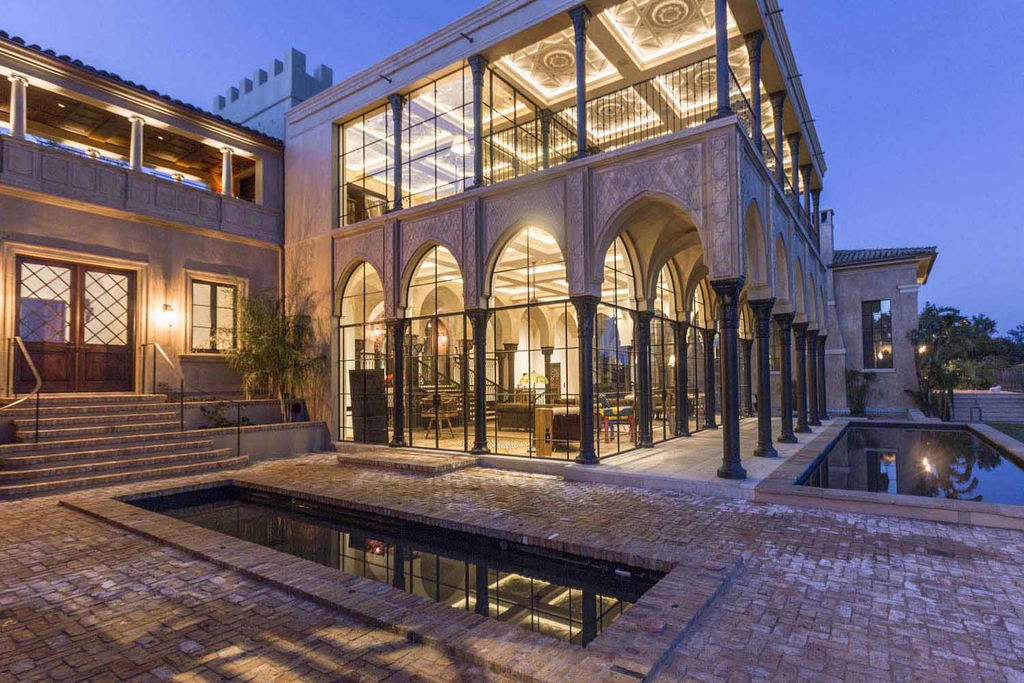
Inquire about what warranties a manufacturer offers. Keep in mind that the party who sold the windows and doors to the end consumer, often a general contractor or homebuilder, may hold primary responsibility for repairs rather than the manufacturer. However, reliable after-sales support can still help you fulfill that obligation to your own clients.
According to the Federal Trade Commission, a government agency created to protect consumers from businesses, consumers should contact the seller when there’s something wrong with the product. “If the seller doesn’t resolve the problem, write to the manufacturer. The warranty should list the manufacturer’s address,” it adds.
| 💡KEY POINT: Magnuson-Moss Warranty Act covers “consumer products,” which may not apply to doors and windows integrated into realty at the time of sale. Have legal counsel confirm how it applies to your contracts. |
6. Where Are Your Windows and Doors Manufactured?
Ask where a manufacturer sources raw materials and performs final assembly, since location affects your exposure to tariffs and supply chain disruptions.
Section 232 tariffs can raise duties on goods made almost entirely of steel, aluminum or copper to as high as 50%, squeezing margins for everyone further down the line. Finished steel doors, windows and frames (HTS 7308.30) are on the highest tier, and the rules have changed more than once this year, so confirm current treatment with a customs broker.
7. What Is Your Average Lead Time?
Lead times vary depending on a manufacturer’s production capacity, order volume and facility location, so request a realistic timeline based on your specific project rather than a generic estimate.
According to Riviera Bronze, whose custom products comply with California’s Title 24 energy requirements, “It’s helpful to choose a manufacturer with transparent lead times and a dependable logistics process, as this can help prevent delays and ensure a smooth installation.” Domestic production can avoid overseas shipping and customs steps, but custom units still have to be drawn, approved and built. Published ranges from custom steel manufacturers vary widely, from roughly 12 to 20 weeks after shop-drawing approval, and some add time for custom certification, finishes or transit, so ask for a written range tied to your project.
8. Do You Have a Minimum Order Requirement?
Ask whether a manufacturer enforces a minimum order requirement, as this affects cash flow and storage on phased projects. Procurement models shift that burden differently depending on who places the order and who ultimately shoulders the inventory’s carrying costs.
Before signing, know the minimum quantity a manufacturer allows. It can help you limit risk and avoid committing to more product than your project requires.
| 💡Short Answer Summary: Who are the best manufacturers of luxury architectural windows and doors? No single ranking identifies the best luxury architectural window and door manufacturers. The right choice depends on the project and how each maker measures up against the same set of criteria. Contractors typically compare customization, NFRC ratings and NAFS-26 documentation, wildfire code compliance in California, CAD and engineering support, installation responsibility, warranty terms, manufacturing location and lead times. For example, Riviera Bronze, a Ventura, California, maker of custom steel and thermally broken stainless steel windows and doors, is one manufacturer serving the segment, and the company says, “Our products are NFRC certified, a claim buyers can check in NFRC’s public directory.” The company recommends that buyers should ask any manufacturer for certificate numbers, test reports and written lead times before buyout. |
Frequently Asked Questions
Construction contractors often ask these questions about custom architectural windows and doors.
Do window and door manufacturers provide CAD details and engineering support for construction projects?
Window and door manufacturers may provide CAD files and engineering support. It’s best to ask a prospective supplier beforehand to set expectations accordingly.
What should contractors and architects compare when choosing a luxury fenestration manufacturer?
Contractors and architects should compare customization capability, engineering support, installation accountability, warranty terms, NFRC and NAFS-26 documentation, manufacturing location, minimum order requirements and average lead time when choosing a luxury fenestration manufacturer.
What industry standards should architectural windows and doors meet?
NFRC-certified ratings and NAFS performance testing are the main benchmarks for architectural windows and doors, and exact requirements, including which NAFS edition applies, depend on the project’s code and location. In California’s designated fire hazard and wildland-urban interface areas, buildings must also comply with the CWUI Code, including its window and door provisions.
Turn Your Answers Into a Confident Buyout Decision
Screening architectural window and door suppliers is key to finding a reliable partner. Interview prospective vendors with these questions to find the right fit.
*Please note that this list includes sponsored content. Some of the companies, products, or services featured have entered into commercial agreements for placement. Sponsored placements do not necessarily reflect an endorsement and should be considered alongside other options in the marketplace.