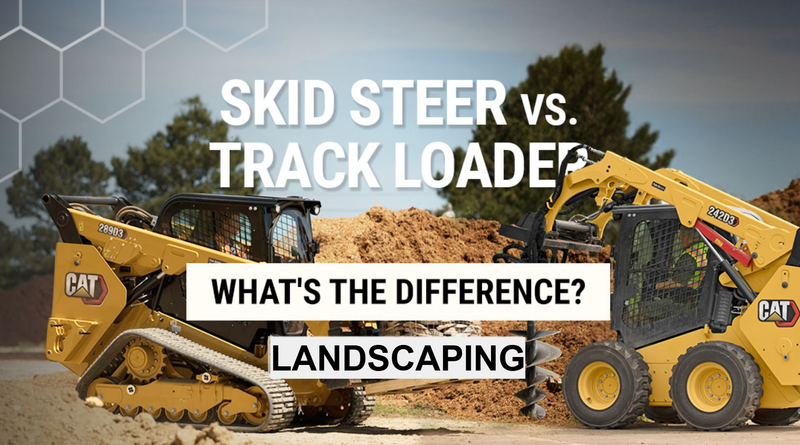
Compact Track Loaders vs. Skid Steers for Landscaping: How to Match the Machine to the Ground
Landscaping contractors need equipment that can handle the ground conditions at each jobsite, and the choice often comes down to compact track loaders or skid steers. Here’s what you need to know about the two machines, so you can choose the right one for your project.
Key Summary
- Compact track loaders suit soft soil, muddy ground and uneven terrain, while skid steers often work well on firm surfaces.
- Ground pressure, lifting capacity and attachment compatibility affect productivity and the risk of damaging finished landscaping.
- Purchase price, maintenance needs and expected use are all important when comparing equipment costs and long-term value.
Compact Track Loaders vs. Skid Steers Differences at a Glance
According to Thompson Tractor, an authorized Cat® dealer founded in 1957 and operating in 38 locations, “The key differences between a track loader and a skid steer are in their mobility, traction, maintenance, versatility and speed.” These differences affect ground pressure, traction and surface impact, although performance varies by model and site conditions.
| Attribute | Compact track loader | Skid steer |
| Undercarriage | Rubber tracks | Four wheels |
| Ground pressure | Generally lower | Generally higher |
| Traction | Strong on soft or uneven ground | Effective on firm, stable surfaces |
| Maneuverability | Agile across varied terrain | Highly maneuverable on compact sites |
| Surface impact | Can reduce ground disturbance, though turns may damage turf | Can scuff or tear soft turf during skid turns |
| Lifting capacity | Varies by model | Varies by model |
| Operating costs | Track and undercarriage maintenance | Tire wear and wheel-related maintenance |
| Typical fit | Soft soil and uneven ground | Firm ground and paved areas |
Which Machine Works Best for Different Landscaping Ground Conditions?
| 🚧Quick Answer From Experts: How do compact track loaders compare to skid steers for landscaping projects? According to Thompson Tractor, compact track loaders generally suit landscaping on soft, muddy or uneven ground because their rubber tracks spread the machine’s weight over a larger area and improve traction. Skid steers typically work well on firm, flat surfaces like compacted soil or pavement, and they usually cost less up front and to maintain. Both can tear turf during tight turns, so the best choice depends on the ground you need to work on and protect. Thompson Tractor, an authorized Cat dealer that has operated in Alabama and northwest Florida since 1957, sells, rents and services equipment through a network of local locations. |
Your site’s soil, slope and finished surfaces help determine which machine will perform well.
Soft Soil, Mud and Sandy Ground
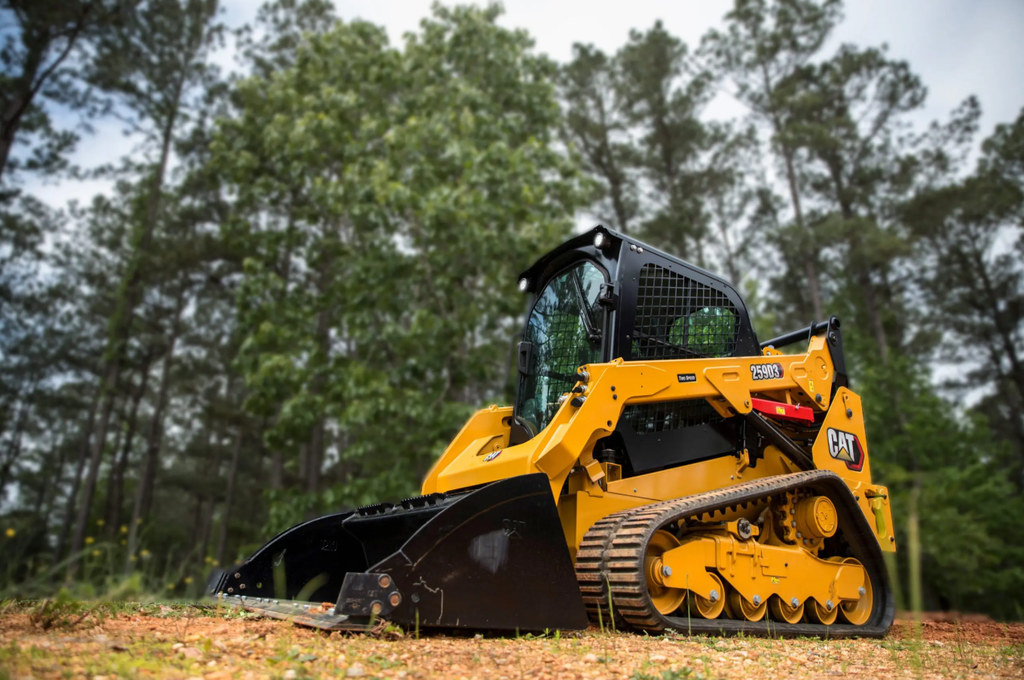
A compact track loader is often the better fit for soft or saturated soil because its tracks spread the machine’s weight across a larger contact area. Thompson Tractor notes, “They have a rubber track system that improves traction, helping distribute the machine’s weight over a larger area.” You can use this advantage during site preparation, irrigation work and landscaping projects on vulnerable ground.
Slopes, Uneven Terrain and Finish Grading
Tracks can provide better traction across uneven ground and help maintain consistent contact with the surface during grading. You should still follow the machine’s operating limits and account for slope, load position and soil stability.
Established Lawns, Driveways and Finished Surfaces
“Skid steer loaders are best suited for hard, flat surfaces such as concrete or compacted soil,” says Thompson Tractor. However, both machine types can damage lawns during tight turns, particularly when the soil is wet. Plan travel routes, use gradual turns, and limit repeated passes across vulnerable areas to protect turf and reduce repair work. Your final choice should reflect the surface you need to preserve and the work you must complete.
How Do Attachments, Maneuverability and Lifting Needs Affect the Choice?
Ground conditions are only one part of equipment selection. Your work area, material loads and attachment requirements also affect productivity.
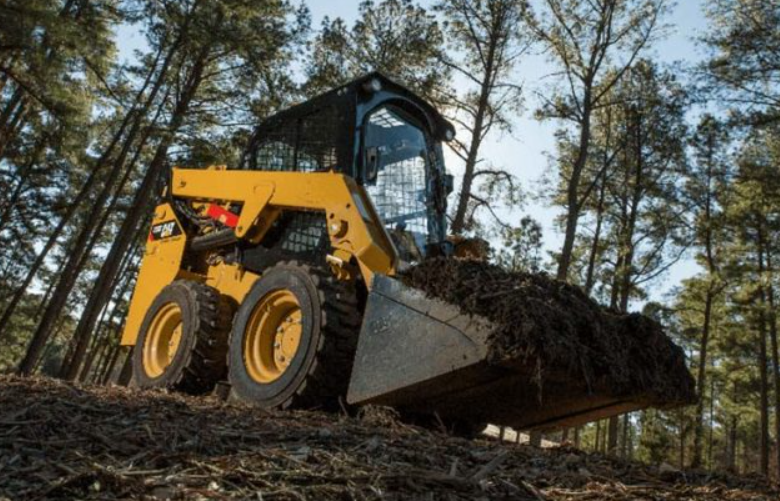
In tight residential yards, maneuverability and access routes can determine how easily you position a machine. Compare each model’s rated operating capacity with the weight of the soil, mulch, gravel or sod you plan to move. Virginia Cooperative Extension notes that “Two-thirds of a skid steer’s weight is in the rear of the vehicle when the bucket is empty.”
Attachments such as buckets, pallet forks, augers and grading tools can expand your capabilities. “Skid steer loaders can be fitted with attachments like buckets, grapples, forks, augers, hydraulic hammers and more. These tools greatly enhance the machine’s versatility for a wide range of landscaping tasks,” Thompson Tractor explains. You can also use attachments for compact track loaders. The company adds, “Compact wheel loaders are compatible with most of the same attachments as skid steer loaders.”
What Is the Price Difference Between a Compact Track Loader and a Skid Steer?
Your equipment budget should account for the purchase price, maintenance needs and expected workload. Comparing these costs helps you decide which machine offers better value over time.
1. Purchase Price
“Skid steers are typically less expensive and have lower maintenance costs. Compact track loaders have a higher up-front price and their track systems require greater maintenance expenses,” says Thompson Tractor. Actual prices vary by model, capacity, features and condition.
2. Rental Versus Ownership
Renting can make sense for seasonal demand, occasional projects or specialized tasks. A 2025 EquipmentWatch survey found that 72% of contractors rented equipment in the previous 12 months, up from 69% in 2024. Equipment World reported that financial considerations and the need for quick access to machinery were key reasons for renting.
3. Financing Options
You can compare equipment loans, dealer financing and leasing options where available. Review interest rates, payment terms and expected machine utilization to assess affordability over the equipment’s working life.
Frequently Asked Questions
These answers cover common equipment selection and budgeting questions for landscaping contractors.
What financing options are available for landscaping equipment?
You can explore equipment loans, dealer financing and leasing where available. Compare interest rates, repayment terms and expected machine use to determine which option fits your budget.
Which landscaping attachments are compatible with both machine types?
Both machine types can use attachments such as buckets, pallet forks, augers and some grading tools. Check coupler compatibility, hydraulic flow requirements and the manufacturer’s specifications before attaching a tool.
Which machine is better for landscaping on soft ground?
A compact track loader generally suits soft, muddy or sandy ground because its tracks spread weight over a larger area. A skid steer often works well on firm, compacted surfaces and pavement.
Get on the Right Track
Choosing between a compact track loader and a skid steer starts with the ground beneath your wheels or tracks. The right fit helps you protect finished landscapes, keep projects moving and make better use of your equipment budget.
*Please note that this list includes sponsored content. Some of the companies, products, or services featured have entered into commercial agreements for placement. Sponsored placements do not necessarily reflect an endorsement and should be considered alongside other options in the marketplace.