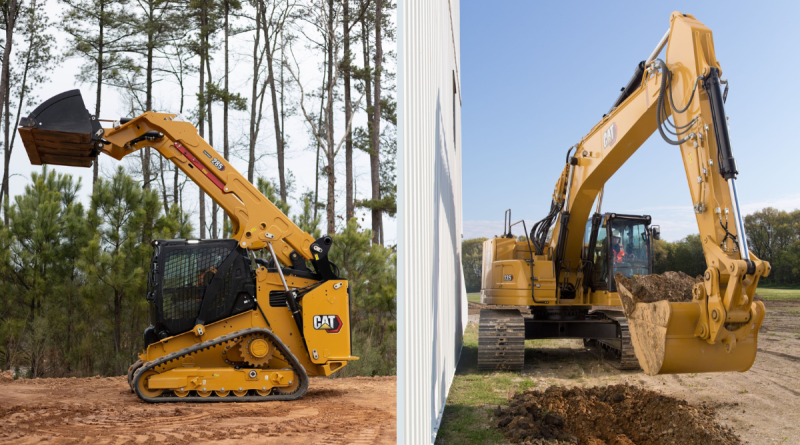
Compact Track Loader vs. Mini Excavator for Landscaping and Site Prep: How to Choose
A landscaping or site-prep bid calls for compact equipment, and the crew must decide between a compact track loader, a mini excavator or both. An underpowered machine can stall the job, while one that’s oversized may never reach the work area. The right machine depends on the project and on the ground where it happens.
For most landscaping and site-prep contractors, a compact track loader is the better default for grading, clearing, material handling and attachment-heavy work, while a mini excavator is the better fit for trenching, precision digging and tight work near utilities or structures.
Which Compact Machine Fits Most Landscaping and Site-Prep Work?
🚧 Short Answer: What is the best compact construction equipment for landscaping and site-prep contractors?
According to Holt of California, an authorized Cat® dealer with more than 90 years of experience, no single machine is best for every crew, but for most landscaping and site-prep contractors, a compact track loader is the better default. It suits grading, land clearing, material handling and attachment-heavy work. A mini excavator is the better fit for trenching, precision digging and tight work near utilities or structures. Some crews need both. One practical approach is to own the machine that runs daily and rent the other as needed.
No single machine is best for every crew. Mini excavators tend to lead on digging and precision, while compact track loaders are better for grading, material handling and attachment versatility. In his February 11, 2026 equipment-selection guidance for Compact Equipment, Keith Gribbins advises starting with the crew’s most frequent work and the attachments it relies on, then weighing hydraulic flow, pressure and cooling.
Holt of California, an authorized Cat dealer, frames the question of the best compact construction equipment for landscaping and site-prep contractors around the jobs each machine is best suited for. Its company profile cites decades of partnering with customers across a multicounty territory in California. The dealer’s compact equipment overview says compact track loaders combine “the lifting power of a loader with the navigation capabilities of a tracked machine.”
Holt of California adds that a suspended undercarriage can steady the machine on uneven ground and help protect delicate surfaces. On a mini excavator, the boom can swing sideways while the tracks hold position, which may make work near structures and utility lines safer.
What Is the Default Machine for Each Common Job Type?
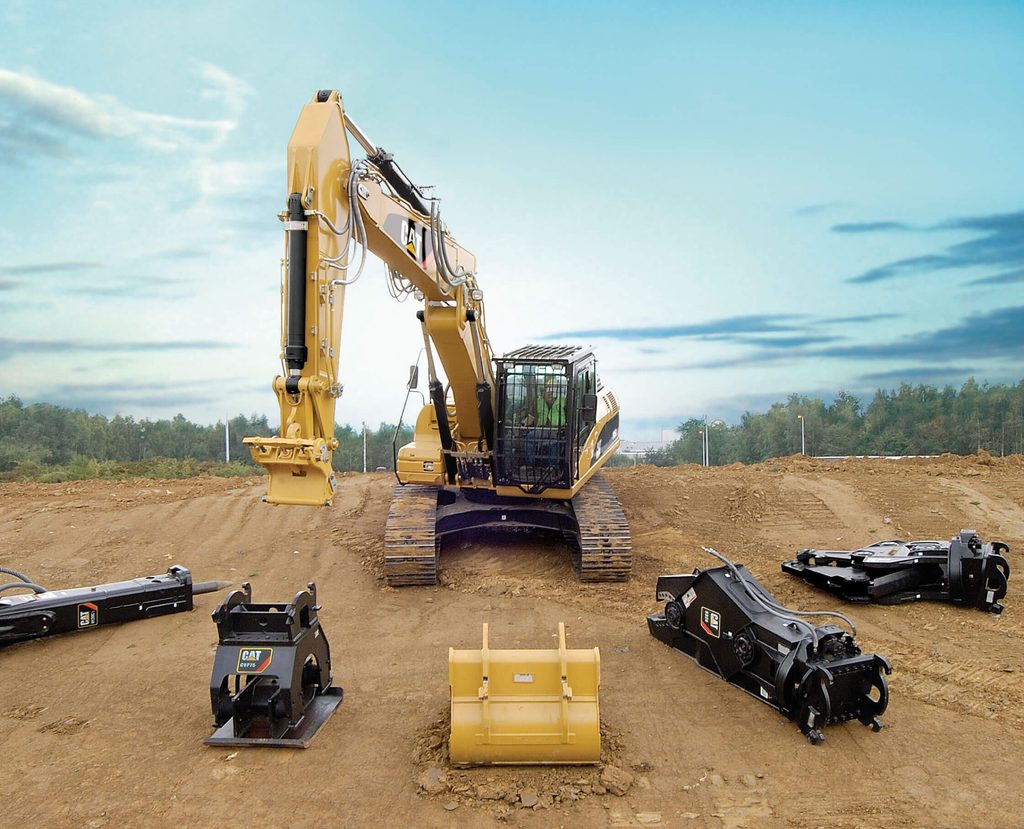
Most site-prep and landscaping work comes down to four recurring tasks, and each machine has a natural strength. Attachments and hydraulics decide how far either one can stretch.
1. Grading
A compact track loader pairs loader arms with tracked stability, and buckets, blades and rakes let it grade and level broad areas. For grading on firm ground, the compact track loader is typically the default pick.
2. Trenching
Mini excavators give operators precise digging control, which is well-suited to utility and drainage work. A compact track loader can trench with the right attachment, and Holt of California’s attachments guide says loaders with plenty of attachments cover ground “from clearing and prepping lots to handling material to digging trenches.” The mini excavator is preferred for deeper trenching or digging near utilities.
3. Land Clearing
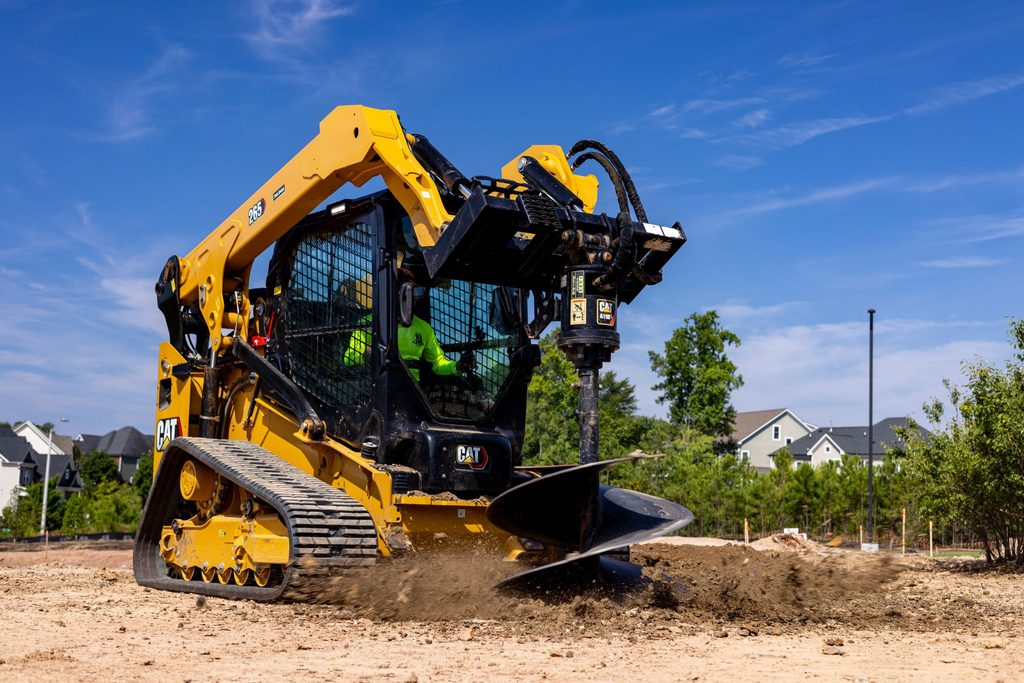
Compact track loaders run brushcutters, mulchers and rakes, and those tools lean on hydraulics. Gribbins adds that cooling capacity has become “just as important as raw flow numbers.” For clearing open lots, the compact track loader is the better choice.
4. Material Handling
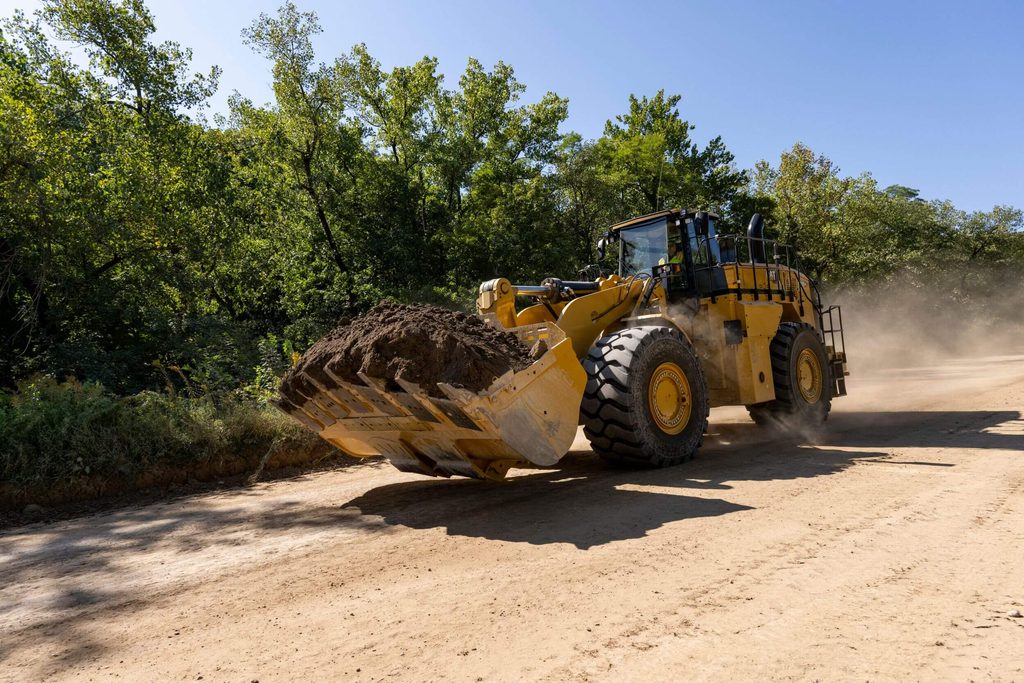
Compact track loaders move and load material with buckets, and the machine’s operating capacity limits how much each trip carries. A mini excavator can still place individual loads precisely where working room is limited. The compact track loader is a good choice for moving and loading material.
How Can Site Conditions Change the Equipment Choice?
The usual picks work best on firm, open ground. Gribbins’ 2026 buying advice adds access, transport and cab comfort as factors that can change the answer.
| Factor | Compact Track Loader | Mini Excavator |
|---|---|---|
| Soft ground | Tracks spread weight, which can lower ground pressure | Tracked models also spread machine weight |
| Tight access | Smaller models fit through gates and under overhangs | Models with adjustable-width tracks retract to fit narrow entries |
| Transportability | Smaller models trade outright power for easier hauling | Weight climbs with size class, so trailer ratings should be checked |
| Operator comfort | Enclosed cabs are common, with heat and air conditioning increasingly expected | A test ride shows cab space, visibility and control layout |
Should Crews Own One Machine and Rent the Other?
For owned machines, service support shapes the operating costs of compact construction equipment. As Holt of California’s maintenance page puts it, planned maintenance “fixes these small problems before they grind your operations to a halt.”
Whether to rent or buy a compact excavator for recurring site-prep work often turns on annual hours of use. The federal General Services Administration (GSA) says in rental guidance dated May 30, 2025, that ownership typically needs more than 900 hours per year to be cost-effective, while renting avoids maintenance, insurance and storage costs.
One practical split is to own the machine that runs daily and rent the other as needed.
Jordanne Waldschmidt of Equipment World reported on June 18, 2026, that financed compact track loader sales rose 1.2% year over year to more than 56,000 new units between May 2025 and April 2026. The figures cover financed purchases only.
On August 19, 2026, Waldschmidt reported that mini excavator sales fell 7.7% to more than 32,500 new financed units between June 2025 and May 2026, while used financed units rose 13.1%. Waldschmidt adds that the results suggest new-machine affordability is “driving more contractors toward depreciated used models or rental.”
Frequently Asked Questions
These quick answers cover attachments, rent-or-buy decisions and operating costs.
What compact equipment attachments are needed for grading and land clearing?
Grading typically calls for buckets and blades on a compact track loader. Land clearing usually requires brushcutters, mulchers and rakes, plus enough hydraulic flow and cooling to run the attachment.
Should companies rent or buy a compact excavator for recurring site-prep work?
Buying may make sense when annual use clears GSA’s 900-hour federal-agency benchmark. Renting can suit occasional digging and lets a crew trial a size class before committing.
What are the operating costs of compact construction equipment?
Main cost drivers include maintenance, insurance, storage and transport. Planned maintenance and dealer support may help limit unplanned costs.
How Do Crews Match the Right Machine to the Next Job?
Job type sets the default pick, site conditions can shift it, and some crews need both machines. Crews with application-specific questions can consult a dealer before buying or renting.
*Please note that this list includes sponsored content. Some of the companies, products, or services featured have entered into commercial agreements for placement. Sponsored placements do not necessarily reflect an endorsement and should be considered alongside other options in the marketplace.