Choosing an Emergency Generator Isn’t About Power Output, It’s About Knowing Your Load Before the Outage
Emergency power failures in commercial and industrial facilities rarely stem from selecting the wrong generator. The most costly mistakes happen when teams deploy equipment without understanding the actual electrical demand. Assessing load requirements before an outage means accounting for running loads, starting surges and environmental factors. When professionals complete this planning as part of electrical safety programs, they avoid emergency generator rental errors leading to overloaded systems and downtime.
Why Site Power Demands Dictate Equipment Success
Effective emergency planning begins with understanding which loads must remain operational and what those systems will demand under actual conditions. Commercial and industrial facilities that anticipate operational requirements rather than simply matching kilowatt ratings to building size can avoid catastrophic equipment failure during a crisis.
Accurate load information improves sizing safety, makes distribution planning more effective and increases equipment reliability when facilities need power most. Starting with a standby generator’s advertised capacity rather than documented site demand creates conditions for undersized systems and avoidable failures.
Running Loads Versus Starting Surges
Continuous running load differs substantially from the temporary starting surge that occurs when equipment first energizes. Heavy machinery and motor-driven equipment require significantly more power during initial energization, which is when most sizing miscalculations happen.
The scope of load calculation must capture starting surge currents, which for motors can reach three to six times the running amperage for 0.5 to 2 seconds. Selecting a generator based only on total running wattage or kilowatts creates the risk of overload when systems come online. Sequencing large loads represents one strategy for limiting simultaneous demand and reducing peak requirements.
Accounting for Environmental Derating and Safety Margins
Environmental factors such as high temperatures or altitude necessitate generator derating, which ensures the unit remains within safe operating limits and prevents overheating, excessive wear or electrical faults that compromise response efforts. Applying a safety margin ensures the system does not run at maximum output continuously, thereby prolonging equipment lifespan and improving reliability.
A generator running at roughly 80% capacity can facilitate fuel economy and voltage stability during extended outages. Excessive oversizing should be avoided, as it increases costs and decreases efficiency. Inefficient operating conditions waste resources, which is not ideal when using a diesel generator for emergency power.
Evaluating a Portable Versus a Standby Generator Emergency Setup
Portable and standby configurations serve different scenarios based on facility requirements and deployment needs. How a site plans to use temporary power, along with mobility and space limitations, influences which setup construction and electrical professionals select for managing site operations.
Rental units provide flexibility for temporary outages and changing load demands that fixed installations cannot accommodate as easily. Connection points, transfer switches and cable routing all determine whether a portable or a standby generator emergency configuration will function effectively during outages.
Steps to Assess Facility Load Requirements Before an Outage
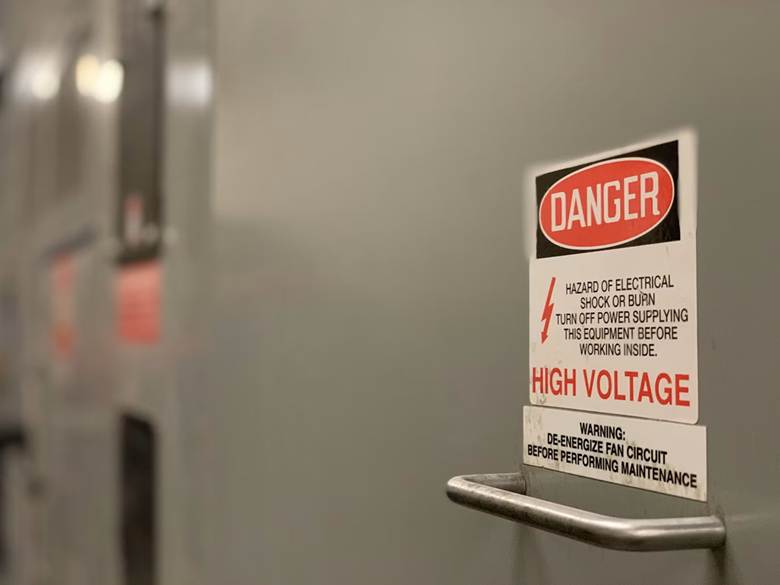
Professionals should follow a systematic approach to calculate total wattage and build in safety margins before disaster strikes.
- Identify critical loads: Facilities should prioritize systems requiring uninterrupted power.
- Document electrical characteristics: Teams should record voltage, horsepower and nameplate data for accurate calculations.
- Review historical demand: Past utility bills and demand meters reveal consumption patterns that inform realistic load estimates.
- Identify high-inrush equipment: Motors, compressors and transformers require startup surge planning.
- Plan load sequencing: Staggering equipment startup reduces simultaneous demand, allowing smaller portable generators to support larger loads.
- Evaluate site conditions: Temperature, altitude and ventilation affect performance.
- Map temporary distribution needs: Planning cable routes and transfer switch locations ensures safe power delivery.
- Document the emergency configuration: Detailed diagrams support faster deployment, reducing errors in high-pressure situations.
Top Providers for an Emergency Generator Rental
Once professionals have their load requirements calculated, partnering with reliable temporary power rental providers enables rapid deployment when facilities need backup power.
Trinity Power
Trinity Power operates as a Canadian-only, true one-stop shop for emergency generator rentals, serving expert professionals across industries that require reliable backup systems. Part of the Sunbelt family, Trinity focuses exclusively on the Canadian rental market while its sister companies serve the U.S. The service-first brand works with clients to configure the right solution for each facility rather than building from scratch, thereby streamlining deployment in critical situations.
When power specialists complete accurate load assessments, they provide Trinity with the information needed to configure an effective response. This approach matches actual site requirements rather than generalized capacity estimates.
Key Features
- Comprehensive equipment inventory: Trinity maintains generators, transformers, switchgear, load banks, distribution and cabling equipment for complete temporary power systems.
- Fast response capabilities: The company offers rapid deployment for emergencies when facilities need backup power within hours, not days.
Aggreko
Aggreko provides large-scale temporary power capabilities and extensive experience supporting industrial and commercial operations. The company maintains a generator rental fleet with distribution equipment for complex facility configurations, developing scalable packages that adjust as conditions change.
Its broad geographic reach and technical resources are strengths for organizations managing major sites or multilocation operations that require coordinated diesel generator deployment for emergency power. The provider’s experience across diverse industries enables rapid response to complex power challenges during critical situations.
Key Features
- Industrial-scale capacity: The provider maintains high-output generator sets and power distribution systems to meet substantial electrical demand.
- Technical support services: Aggreko offers engineering consultation and system design assistance for organizations developing comprehensive strategies.
Toromont Power Systems
Toromont Power Systems delivers generator rental capabilities and experience with Cat power equipment for operations requiring proven industrial-grade machinery. Its temporary power offerings address outages, maintenance periods and other interruptions requiring reliable backup generation.
Access to generator sets and supporting technical expertise helps teams select appropriate units based on application needs and site conditions. Its service infrastructure and established presence offer advantages for organization needing ongoing support alongside temporary generation during extended outage situations.
Key Features
- Cat equipment specialization: The provider focuses on Cat generator technology, demonstrating familiarity with these power systems.
- Maintenance and service infrastructure: Toromont maintains service capabilities that support ongoing equipment needs during rental periods.
Securing a Diesel Generator for Emergency Power Before Disaster Strikes
Generator planning should happen before storms or other crises create immediate demand for backup power equipment. Facilities benefit from completing load assessments, documenting connection requirements and identifying potential rental partners as part of comprehensive electrical safety programs that address preparedness.
The best emergency generator rental strategy starts with knowing exactly what must stay powered, how much electricity those loads require and how the system will operate safely during an outage. Professionals who complete this planning process before disaster strikes can deploy effective solutions rapidly when critical situations demand reliable temporary power.
*Please note that this list includes sponsored content. Some of the companies, products, or services featured have entered into commercial agreements for placement. Sponsored placements do not necessarily reflect an endorsement and should be considered alongside other options in the marketplace.