Can robotics help solve construction’s biggest workforce challenge?
Subscribe to our free newsletter today to keep up to date with the latest construction news.
Construction has long struggled with a familiar set of problems. Skilled labor is becoming harder to find, housing demand continues to outpace supply in many markets and productivity growth has lagged behind other industries. While digital tools have transformed design and project management, the physical process of building has evolved more gradually.
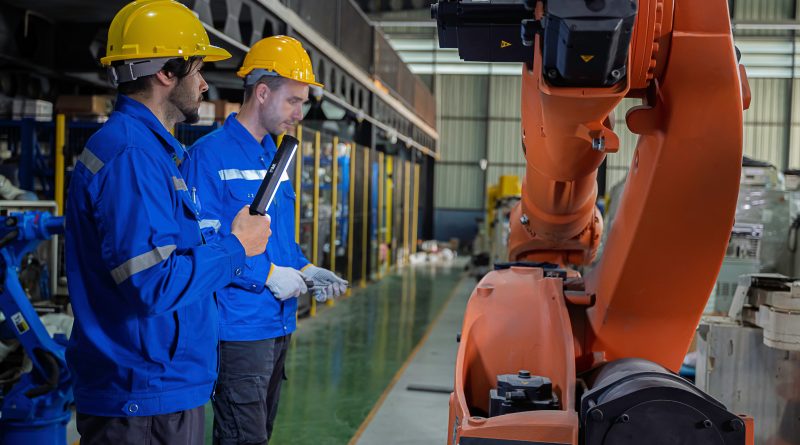
A new partnership between Autodesk and the University of Florida aims to accelerate that transition. The organizations have opened what Autodesk describes as the most advanced robotics industrialized construction laboratory in the US, creating an environment where students, researchers and industry partners can develop and test technologies that could reshape how buildings are designed and delivered.
The initiative reflects a broader movement across the construction sector. Robotics, automation and digital workflows are no longer viewed as experimental technologies. They are increasingly becoming practical tools for improving productivity, addressing workforce shortages and making construction more predictable.
Why industrialized construction is becoming a strategic priority
Construction firms face mounting pressure to deliver projects faster while managing rising costs and an increasingly limited labor pool. Traditional building methods remain heavily dependent on manual processes, making projects vulnerable to delays, inconsistent quality and workforce constraints.
Industrialized construction offers a different approach. By shifting more work into controlled manufacturing environments and combining digital design with automated production, companies can standardize processes, improve quality control and reduce material waste. Robotics adds another layer of precision by handling repetitive or physically demanding tasks that have historically relied on skilled manual labor.
Digital technologies are central to this transformation. Building information modeling, digital twins and cloud-based collaboration allow project teams to coordinate decisions before construction begins, reducing costly changes during delivery. When paired with robotics and automated fabrication, these digital workflows create opportunities to improve efficiency throughout the project lifecycle.
The new laboratory at the University of Florida provides a setting where these technologies can be tested together rather than in isolation. Students can work with robotic systems, digital design platforms and industrialized construction methods in an environment designed to mirror emerging industry practices. For construction companies, this creates a pipeline of graduates who already understand modern construction technologies before entering the workforce.
How robotics, AI and digital twins are changing construction
Automation in construction extends well beyond robots assembling buildings autonomously. Today’s applications include robotic fabrication, automated material handling, reality capture, machine guidance and digital inspection systems that improve accuracy while reducing repetitive manual work.
Artificial intelligence complements these technologies by analyzing project data, identifying design conflicts and supporting more informed decision-making throughout planning and delivery. Digital twins allow project teams to simulate building performance, monitor progress and optimize operations using continuously updated digital models.
The laboratory announced by Autodesk and the University of Florida brings many of these capabilities into a single research environment. Rather than focusing on one technology, it encourages students and researchers to understand how robotics, AI, digital twins and industrialized construction can work together as an integrated system.
This integrated approach reflects the direction many contractors, manufacturers and developers are taking. Successful digital transformation increasingly depends on connecting technologies across the entire project lifecycle instead of adopting isolated tools.
The partnership also supports research into new construction methods that may help address broader industry challenges, including affordable housing and workforce shortages. While robotics alone will not solve these issues, automation can help increase productivity, improve consistency and enable skilled workers to focus on higher-value activities that require human expertise.
Education is becoming the foundation of construction innovation
Technology adoption ultimately depends on people. Even the most advanced robotics systems require professionals who understand digital workflows, construction processes and interdisciplinary collaboration.
The University of Florida has positioned itself at the forefront of this shift through its Industrialized Construction Engineering program, developed with support from Autodesk. By combining engineering, architecture, construction management and digital technologies, the program aims to prepare graduates for an industry where software and automation are becoming as important as traditional construction skills.
The new robotics laboratory strengthens that educational model by providing practical experience alongside academic research. Students gain exposure to technologies already entering commercial construction while industry partners have opportunities to evaluate new ideas before wider deployment.
For Autodesk, the collaboration aligns with a broader investment in preparing the future workforce through education, digital skills and AI training. For the university, it creates opportunities to connect research with real-world industry needs. For the wider construction sector, it demonstrates how partnerships between technology companies and higher education can accelerate innovation while helping address persistent workforce challenges.
The laboratory is unlikely to transform construction overnight. The industry’s scale, fragmented supply chains and varied project requirements mean adoption will continue to happen gradually. Even so, initiatives like this suggest that the future of construction will be shaped as much by collaboration between universities and industry as by advances in robotics or artificial intelligence alone.
Source