Boom Trucks, Self-Erecting Tower Cranes and Mobile Tower Cranes: How to Match Crane Type to the Job, and What to Ask Your Crane Dealer
Choosing between a boom truck, a self-erecting tower crane and a mobile tower crane comes down to several factors. Things to consider include load weight and radius, project duration, how often the crane must move, ground conditions, and power lines or site access. The right dealer should guide that match before any machine gets booked.
What Determines How Much Lift Weight and Radius You Need?
Every crane decision starts with the load itself. Heavier loads and longer reach narrow the field of usable equipment fast.
A few core specs decide which cranes even qualify for the job:
- Total load weight: The heaviest single pick sets the minimum capacity a crane must handle.
- Lifting radius: The horizontal distance between crane and load affects how much weight it can safely lift.
- Boom length and angle: Longer booms and steeper angles extend reach but can reduce capacity at maximum extension.
- Required lifting height: The vertical distance to the placement point determines the boom or mast length needed.
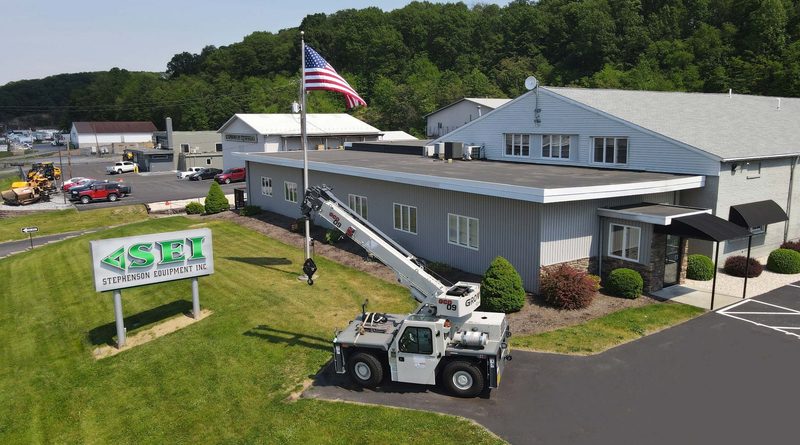
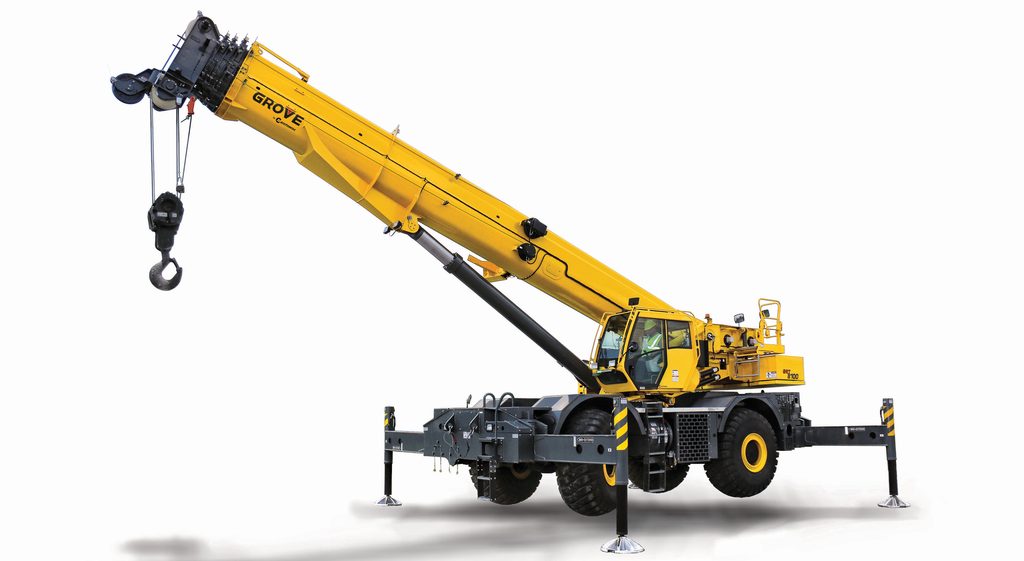
Boom trucks often fit jobs that need moderate capacity without sacrificing mobility between sites. According to Stephenson Equipment, a specialist crane dealer since 1957, boom trucks can offer exceptional reach. “Unmounted boom truck cranes are versatile and customizable, helping you get the precise truck and crane combinations you need,” the company explains. Getting this match right also protects crew safety.
| ⚠️ QUICK STAT: Cranes were involved in roughly 41 fatalities per year between 2015 and 2024, according to data from the Bureau of Labor Statistics. |
How Does Project Duration Affect Your Crane Choice?
Short jobs and one-off lifts favor equipment that mobilizes fast, since setup time eats into a tight schedule. Longer, materials-heavy builds flip that math, where a slower setup up front still saves labor hours over the project’s life. Self-erecting tower cranes are built for this second scenario.
Chad Jacobs, self-erecting tower crane specialist at Stephenson Equipment, notes that “You’re able to stockpile material near the crane, before hoisting it and placing it anywhere from 10 feet to 148 feet away.”
How Often Will the Crane Need to Move Around the Site?
Large sites with shifting work phases call for a crane that repositions almost as easily as it lifts. Mobile tower cranes are built around that need.
According to Spierings, a mobile tower crane manufacturer, “The crane travels independently to the construction site and can be set up and operated by the crane operator.” That self-sufficiency cuts down on the extra trucking and crew coordination multilocation projects often need.
Why Do Ground Conditions Matter for Crane Selection?
Soft, sloped or uneven ground can undermine crane stability no matter the crane type, so get it assessed during planning, well before a crane arrives. Under OSHA standards, a crane must not be assembled or used unless the ground is firm, drained and sufficiently graded.
Stephenson Equipment advises contractors how to prepare for a rental quote. “Flag any overhead obstructions like power lines or low structures, and describe your ground conditions,” the company says. “Soft, uneven or sloped ground affects how the crane sets up and whether you will need mats or extra support,” it adds.
How Do Power Lines and Site Access Affect Your Options?
Overhead power lines and tight or restricted access can rule out certain crane types before load capacity even enters the conversation. Beau Pocock, business development manager for Liebherr USA’s mobile and crawler crane division, points to power line and cell tower construction as a prime use case for telecrawler cranes. They’re built to operate on “uneven terrain and varying ground conditions” where other crane types struggle.
| 🔌 KEY FACT: OSHA requires cranes to stay at least 20 feet from power lines carrying up to 350,000 volts, with greater clearance required at higher voltages. Where not possible, operators must use OSHA’s approved safety measures. |
Which Crane Type Fits Your Project?
These factors translate into a few common scenarios contractors run into on real jobs.
| Scenario | Crane Type | Why |
| Short residential job with tight access | Self-erecting tower crane | Minimal footprint and fast setup suit small, constrained sites. |
| Multiphase commercial build needing repositioning | Mobile tower crane | Travels independently between locations without a separate transport crew. |
| One-off heavy pick with road travel between sites | Boom truck | Moderate capacity paired with highway mobility covers scattered single lifts. |
What Should You Ask a Top-Rated Crane Dealer Before You Book?
Crane type is only half the equation. The dealer behind it affects uptime, safety and whether the right machine gets recommended at all.
Before booking, confirm whether the dealer holds authorized, factory-certified status for the brands it sells, whether it stocks OEM parts and handles maintenance in-house, and whether its operator training leads to recognized certification. OSHA requires certification for operators of most cranes, which makes that question worth confirming directly.
| 💡Quick Answer: What makes a crane dealer top rated? There is no single standard for “top rated,” and review scores are only one input. The more useful checks are ones you can verify: whether the dealer is authorized by the manufacturers it sells, whether it can supply parts and service, whether its operator training leads to recognized certification, and whether it asks about your lift before recommending a machine. Stephenson Equipment notes that “Rental companies build pricing on exact lift calculations, not generic machine sizes.” That is why you should expect questions about your load, radius, ground conditions and schedule up front. |
Frequently Asked Questions
Here are quick answers to the questions contractors most often ask before choosing a crane dealer.
Does the dealer provide crane maintenance and OEM parts?
Many dealers sell equipment but farm out maintenance. A dealer that keeps parts, service and rentals in-house can fix problems faster, since one team already knows the equipment’s history.
Should you choose an authorized crane dealer?
Authorized status means a dealer completed factory training and certification for the brands it carries, giving contractors access to manufacturer-backed parts and warranty support an independent reseller typically can’t match.
What makes a crane dealer reliable?
Reliability shows up in track records. Look for a dealer whose operators hold current CCO certification, whose equipment passes OSHA-aligned inspections and whose history in the business spans decades.
Plan Your Next Lift With the Right Crane and the Right Partner
Matching load, duration, mobility, ground conditions and site access to the right crane type solves half the problem. The dealer’s expertise, certifications and in-house support cover the rest, since even the right machine underperforms in the wrong hands. Before booking your next lift, talk through these factors with a dealer who can speak to all of them.
*Please note that this list includes sponsored content. Some of the companies, products, or services featured have entered into commercial agreements for placement. Sponsored placements do not necessarily reflect an endorsement and should be considered alongside other options in the marketplace.