A strong safety culture addresses every risk. Mental health is no exception.
In construction, we plan for every hazard we can see. We identify risks, put controls in place, and hold people accountable for following them. But one of the most serious risks on our job sites isn’t visible and too often, it goes unaddressed until it’s too late.
More construction workers die by suicide each year than from job-site incidents. That’s not a statistic we can ignore. It’s a failure in how we define safety.
Nearly two-thirds of US construction workers reported experiencing anxiety or depression in 2025, according to the National Alliance on Mental Illness. That figure climbed sharply from 54 percent just one year earlier — a rapid rise that signals something systemic is unfolding across job sites nationwide. According to the Centers for Disease Control and Prevention, construction consistently ranks among the highest industries for suicide. In 2021, 56 out of every 100,000 male construction workers died by suicide, compared with 32 per 100,000 male workers across all industries.
This is not a personal issue. It is an industry-wide risk—and it requires the same level of attention, discipline, and leadership that we apply to every other hazard.
Understand the pressure points
The construction environment creates stressors unlike most other professions. Long hours, physically demanding work, tight deadlines, time away from home, and job uncertainty can compound over time. Left unaddressed, those pressures do not go away; they build.
In an industry that values toughness and resilience, many workers feel that they have no outlet to process stress and, in some cases, no meaningful support system to help them navigate it. Conversations do not happen. Concerns go unspoken, and problems remain hidden until they reach a breaking point.
In the absence of healthy outlets, and often in response to both stress and physical pain, some workers turn to unhealthy coping mechanisms. That can include self-medicating with alcohol or drugs or engaging in risky and reckless behavior that creates additional exposure both on and off the job.
These are not separate issues; they reflect the same underlying pressures and the absence of effective support systems.
Treat mental health like physical health
In construction, physical health is not debated. When someone gets injured, the response is immediate. We provide first aid, get them medical attention, and find modified duty to keep them engaged at work while recovering. This is the standard. Mental health should be no different.
But too often, it is. When a worker is struggling mentally, the response is far less defined. If they speak up and are willing to ask for help, they may be met with uncertainty, silence, or ridicule.
At Helix Electric, we connect workers to an Employee Assistance Program (EAP) — we treat this as a white glove service that provides all employees with immediate 24-hour access to support on a wide range of topics, such as managing stress, anxiety, depression, substance abuse, relationship issues, grief, work conflicts, and emotional well-being, and referrals to additional resources 365 days of the year via in-person or virtual visits. These programs give workers a private, accessible path to help that does not require them to raise their hand in front of their crew.
Build a culture that protects the whole person
The construction industry takes great pride in building things that last. It is time to apply that same skill and intention to the well-being of the people doing the work. Mental health is not separate from safety; it is a critical part of it.
A strong safety culture does not distinguish between physical and mental well-being. It protects both with the same level of commitment. The tools exist. What’s needed now is action to build environments where workers are supported, leaders are prepared, and no one feels alone.
At Helix Electric, we are investing in building that kind of culture, one where people feel comfortable speaking up and asking for help, and where leaders recognize the value of the whole person, not just the work they produce. A central focus of that effort is reducing stigma and creating psychological safety across our teams.
We have invested heavily in suicide prevention awareness training for both employees and supervisors, supported by dedicated internal trainers who deliver these programs multiple times throughout the year in both English and Spanish. Beyond formal training, we have expanded our approach to wellness by integrating topics such as mental health, nutrition, and financial well-being into our regular communications.
We have also expanded our EAP, which we administer through a third party to protect our employee privacy, to improve access to support across a range of concerns — including stress management, marital and family counseling, and referrals for additional care. The program also connects employees to personal health coaches and wellness resources that address well-being beyond the job site. For companies looking to strengthen their mental health infrastructure, broadening EAP access and ensuring workers know how to use it is a practical and meaningful place to start. We also continue to participate in industry-wide mental health initiatives and events to help strengthen the broader body of knowledge.
Train supervisors to be aware
Most front-line supervisors genuinely want to support their crews. The problem is that supervisors are not mental health professionals, and they should not be expected to diagnose or solve mental health challenges. But they can, and should, be trained to identify shifts in behavior, attitude, and performance that may indicate a deeper issue.
Changes in behavior, increased irritability, withdrawal, declining job performance, or direct statements that suggest hopelessness are all warning signs. The role of the supervisor is to recognize those signs early and to connect the worker to the right resources.
The reality, however, is that many supervisors may see the signs and still hesitate to act. Not because they don’t care but because they are unsure of what to say, or what to do if the person asks for help. That uncertainty can lead not only to avoiding the conversation, but at times to discouraging it altogether.
Without the right tools, a supervisor may unintentionally shut down a conversation. That is why it is critical to equip them with resources. For example, knowing that an EAP is available and understanding what it covers gives supervisors a clear and immediate answer when a worker needs help.
Reduce stigma, one conversation at a time
The most powerful tool available on a job site costs nothing: an honest conversation.
Stigma remains the single greatest barrier preventing workers from seeking help. When a foreman or superintendent openly acknowledges that mental health matters — that struggling is not a weakness — it gives the entire crew permission to do the same.
That cultural shift does not happen through a flyer stapled to a job trailer or resources mentioned briefly during onboarding. It happens through consistent, visible actions from leaders who are willing to speak openly, who check in with their crews, and create space for real conversations.
One conversation will not change the culture, but over time, those conversations set the tone. They signal what matters, what is taken seriously, and build an environment where people feel safe speaking up. Those conversations build connections. They build trust, and they make real communication possible.
Build real connections
Strong safety cultures are built on awareness, not just of hazards, but of people.
Supervisors who know their crews are far more likely to recognize when something changes. That awareness comes from consistent, genuine engagement. Asking “How are you?” is easy. Asking because you care, and taking the time to listen, is what matters. People can tell the difference between a question based on courtesy and one based on care. When leaders are present, observant, and willing to listen without responding, they build trust. That trust is what allows someone to speak up when they need to.
It is not about always having the right words; it is about creating the right environment. At Helix one of our core values is, We Are A Rewarding Workplace. Part of being a rewarding workplace is showing we that we genuinely care about our employees. That means paying attention and helping them get the physical and mental healthcare they need.
If you or someone you know is struggling, call or text 988 to reach the Suicide and Crisis Lifeline.
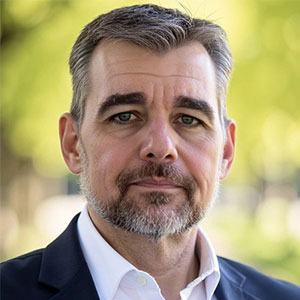
By Eric Simmons, Vice President of Risk Management at Helix Electric
Eric Simmons
www.helixelectric.com
Eric Simmons is the Vice President of Risk-Management at Helix Electric, a leading electrical contractor with over 3000 employees and over $1 billion in annual revenue, with operations spanning Hawaii to Washington, D.C. With nearly two decades at Helix Electric – beginning in an operational field role before moving into safety and risk leadership – Eric is a nationally recognized speaker on mental health, suicide prevention, and construction safety culture.